WhatsApp:
E-mail:
Mobile Phone:
Tel:+86 022 86728681
Fax:+86 022 86728681

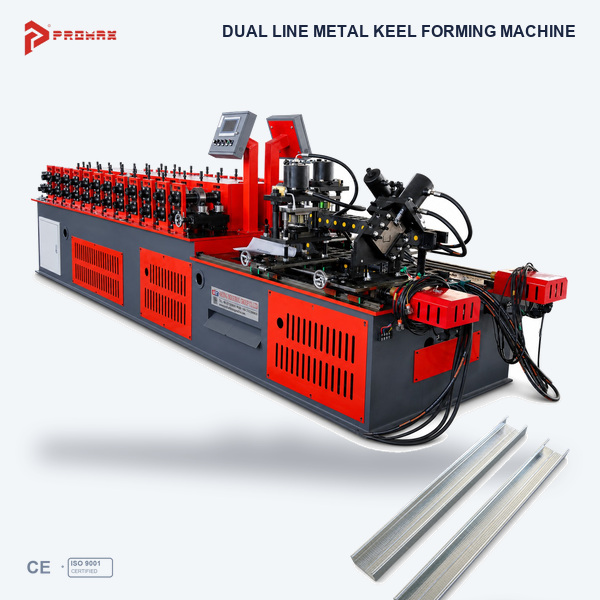
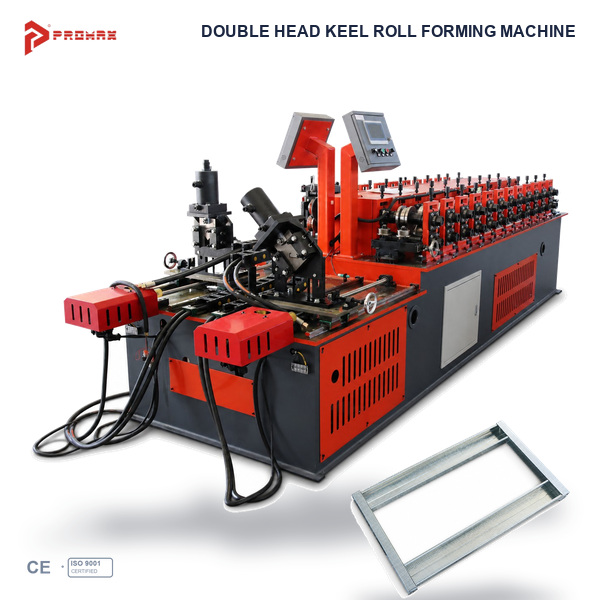
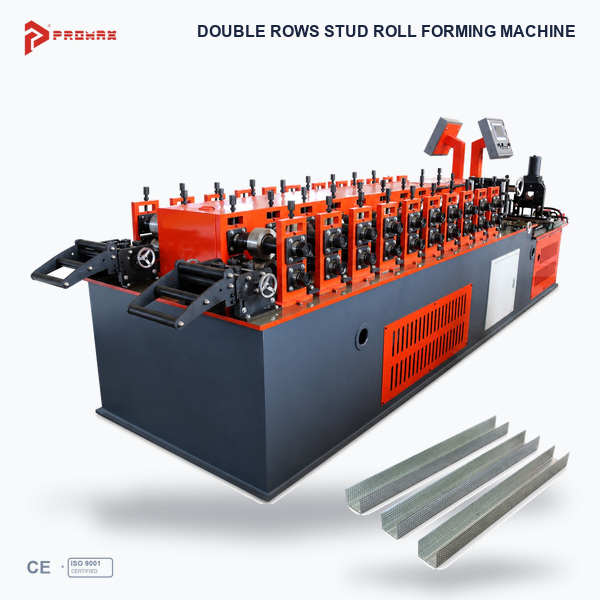
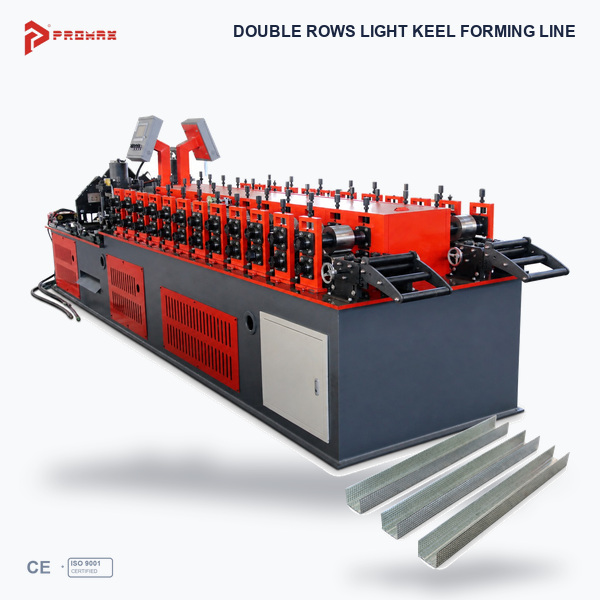
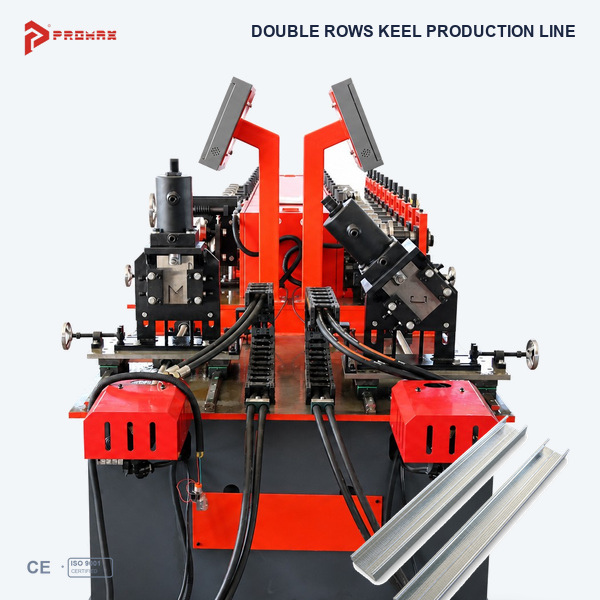
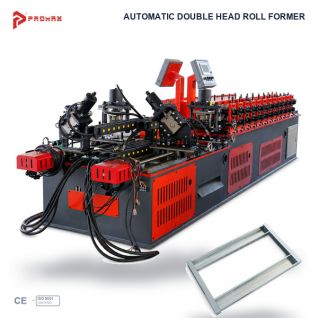
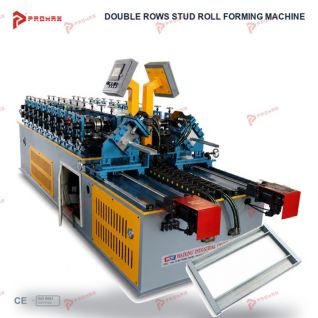
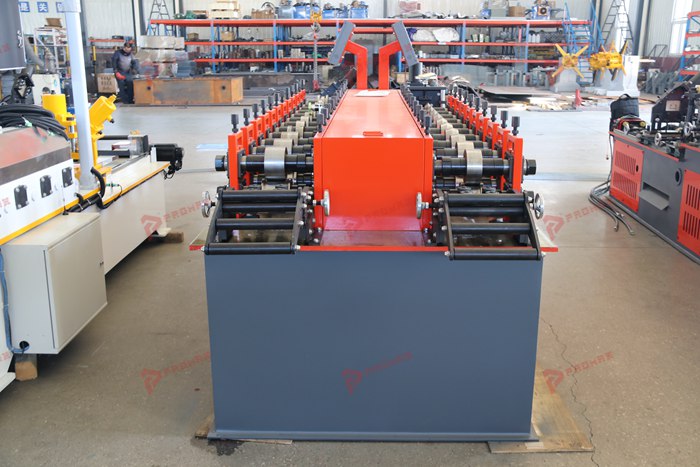
PROMAX roll forming equipment for manufacturing specified light steel framing profiles used in drywall partitions, interior walls, and lightweight construction systems.
Customization options: Profile dimensions, material specifications, forming-head arrangement, punching requirements, and cutting configuration.
Send us your profile drawings and production requirements to discuss a suitable machine configuration and request a quotation.
The PROMAX Dual-Head Light Steel Frame Roll Forming Machine is designed for manufacturers producing metal framing profiles for lightweight construction, drywall partition systems, interior walls, and related building applications. The dual-head configuration is intended for specialized profile manufacturing, with the final machine arrangement determined by the customer's profile drawings and production requirements.
For framing manufacturers, selecting suitable roll forming equipment involves more than choosing a machine by name. Profile geometry, steel specifications, punching positions, finished lengths, and the required production workflow all influence the machine design. PROMAX works with customers to evaluate these requirements and discuss a suitable equipment configuration.
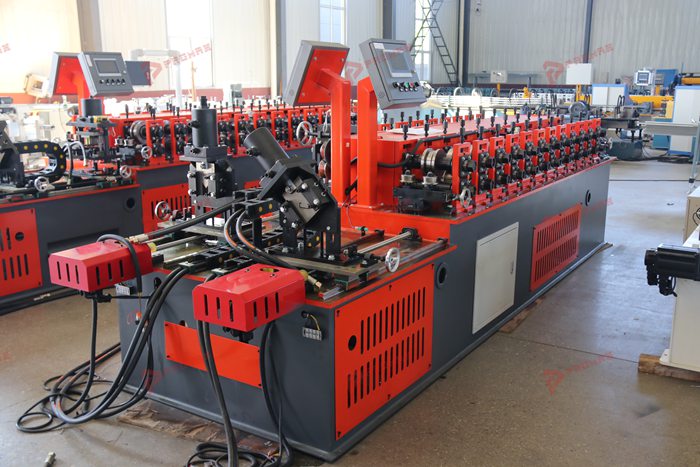
Light steel framing profiles are widely used in drywall partitions, interior wall systems, ceiling frameworks, and other lightweight construction applications. These profiles require cross-sectional dimensions and forming details that match the intended assembly system. A properly configured roll forming line helps manufacturers produce profiles according to their specified drawings and manufacturing requirements.
Before selecting a machine, buyers should identify the profile types they need to manufacture and provide the relevant technical information. This may include web width, flange dimensions, lip design, material thickness, steel grade, and required finished lengths. Where several profiles are involved, each profile drawing should be supplied for engineering review.
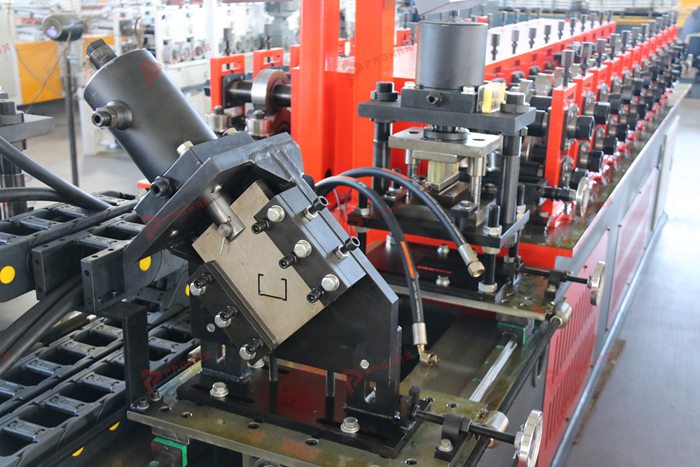
A dual-head roll forming machine uses a two-head forming arrangement, but the capabilities of each head depend on the specific design. Profile compatibility, operating sequence, tooling arrangement, and changeover method should be confirmed for the selected model. Customers should not assume that every dual-head machine can form two profiles simultaneously or change between profiles automatically.
During the technical evaluation, PROMAX can review the intended profile range and discuss relevant configuration requirements, including:
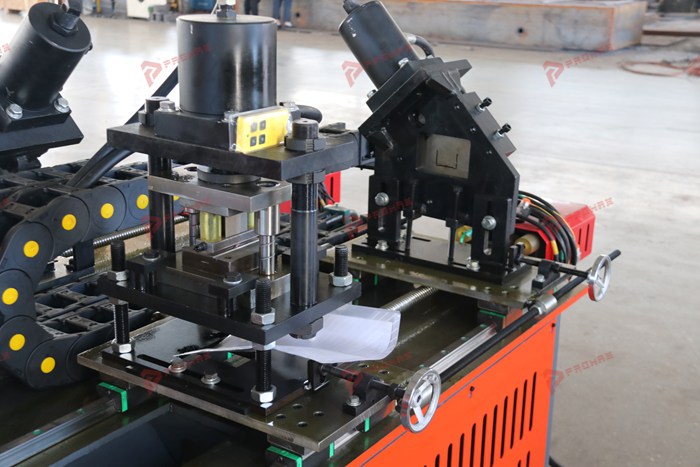
Metal framing profiles are used in a range of lightweight building systems, including drywall partitions, interior walls, and suspended ceiling frameworks. The required profile depends on the application and the specifications of the complete construction system. Manufacturers should therefore match the forming equipment to the actual profile drawings rather than relying only on a general product description.
For businesses producing multiple framing components, machine selection should also consider the expected product range, frequency of profile changes, and compatibility of the proposed forming heads and tooling. Reviewing these factors in advance helps establish whether a dual-head configuration is suitable for the intended production process.
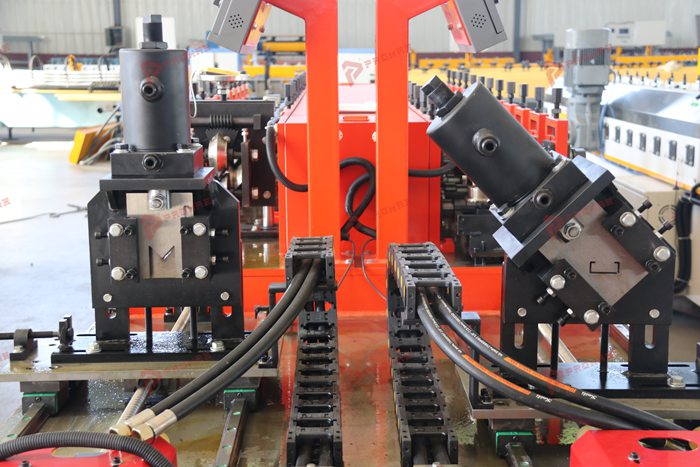
Each roll forming project should begin with a clear understanding of the required finished product. Providing accurate drawings and material specifications enables the engineering team to assess the forming arrangement, tooling needs, punching requirements, and cutting configuration. Additional technical details can then be confirmed during the machine proposal stage.
When requesting a quotation, please prepare the following information where available:
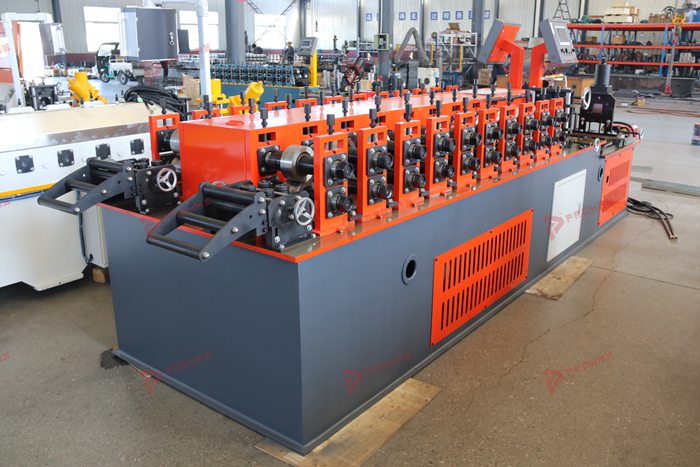
PROMAX provides roll forming equipment solutions for manufacturers of light steel framing and metal construction profiles. We can review your profile drawings and discuss the machine configuration required for your application.
Contact PROMAX with your product drawings, material specifications, punching details, and production objectives to request technical information and a quotation tailored to your manufacturing needs.
WhatsApp Code