WhatsApp:
E-mail:
Mobile Phone:
Tel:+86 022 86728681
Fax:+86 022 86728681

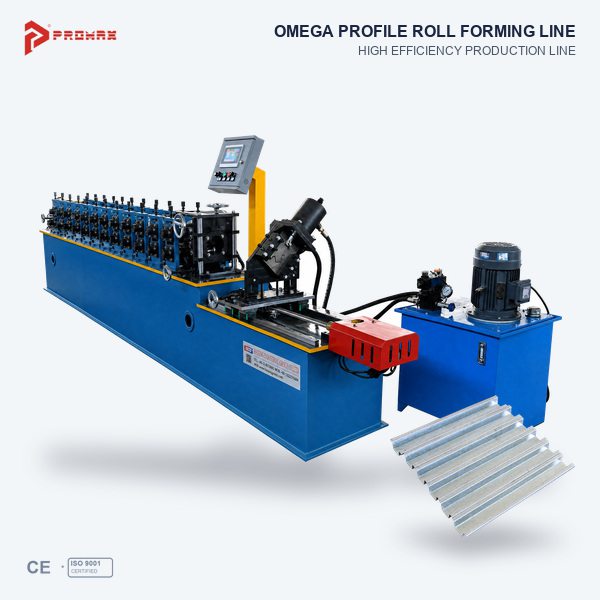
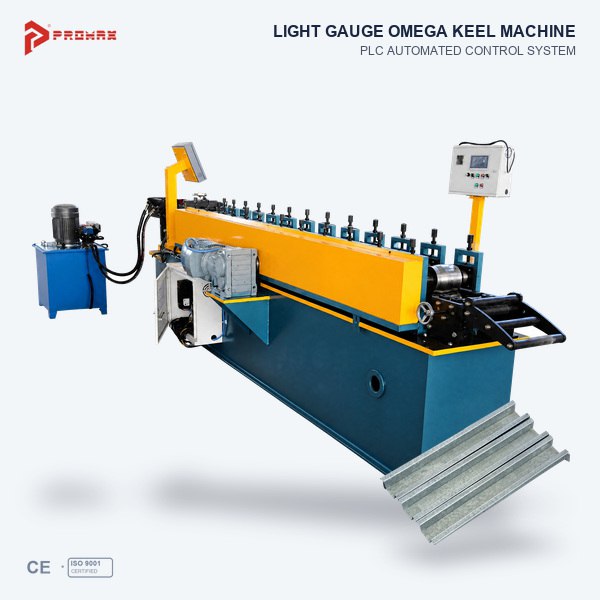
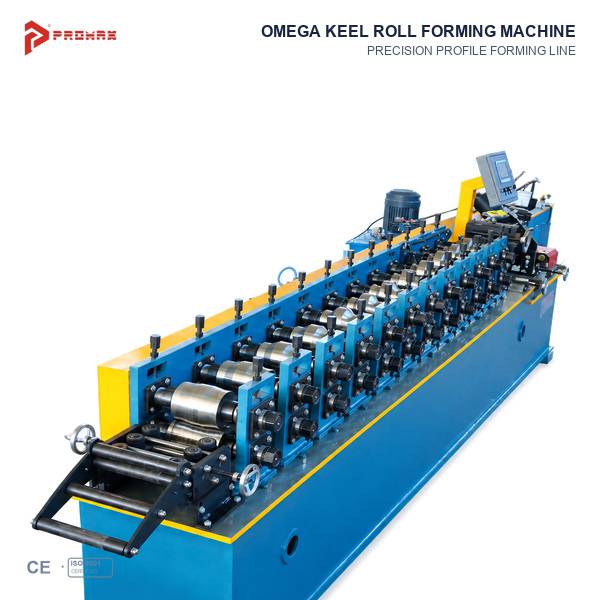
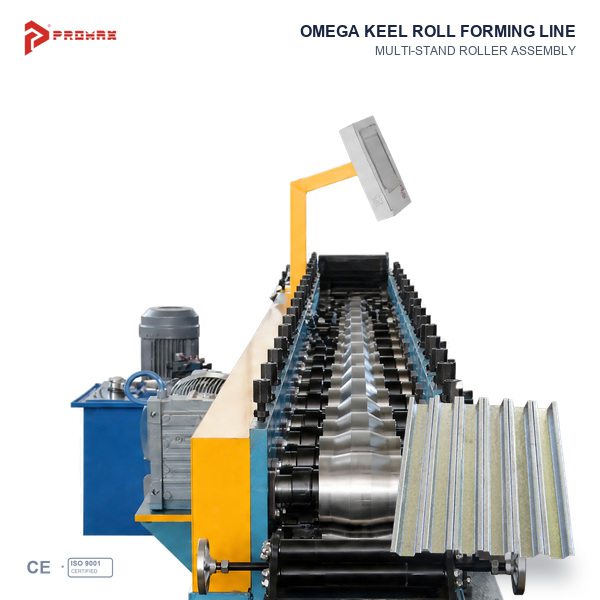
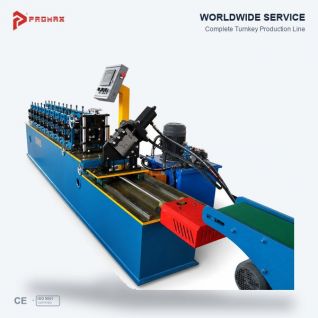
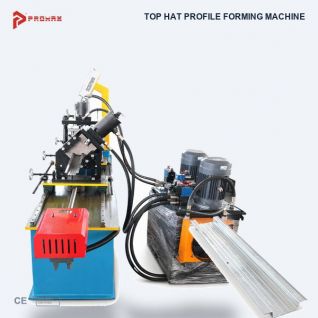
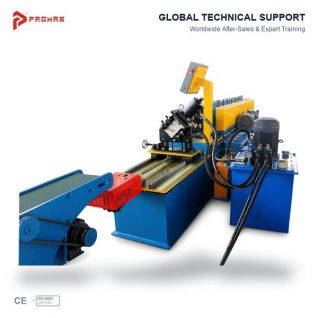
PROMAX hat channel roll forming machine is designed for manufacturing hat-shaped metal profiles for compatible ceiling, furring, and construction applications.
Contact PROMAX with your profile drawing, material specifications, and target output to discuss suitable equipment and request a quotation.
The PROMAX hat channel roll forming machine is designed for manufacturing hat-shaped metal profiles used in building systems, ceiling assemblies, furring applications, and other construction projects. The machine gradually forms steel strip through a series of roller stations to create the required cross-sectional shape.
For manufacturers supplying building material distributors, contractors, and metal framing companies, selecting the right hat channel forming machine starts with the finished profile drawing. Profile dimensions, material specifications, required lengths, production volume, and cutting requirements all influence the recommended machine configuration.
PROMAX works with customers to evaluate their profile requirements and discuss suitable roll forming equipment configurations. Whether you are establishing a new profile production line or expanding your existing product range, providing a detailed drawing helps the technical team assess the tooling and production process.
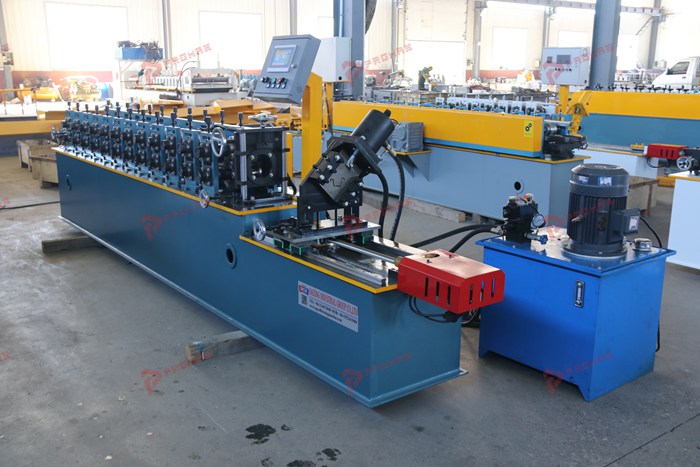
A hat channel roll forming machine is a metal forming system used to produce profiles with a hat-shaped cross-section. The finished profile typically has a raised central section and side flanges, although exact geometry varies by application and customer specifications.
Hat-shaped profiles may be used as furring channels, ceiling support members, or components in selected metal framing and cladding systems. Their dimensions and structural suitability depend on the intended building system and engineering requirements.
Unlike a machine designed specifically for C studs or U tracks, a hat channel roll former must use tooling configured for the required hat profile. Buyers should provide a technical drawing or sample to confirm the machine's suitability for their intended product.
Hat profiles are used in various building and construction applications. The precise use of a finished profile depends on its geometry, material properties, load requirements, and the specifications of the construction system.
Before production, confirm that the intended profile is compatible with the installation system and the applicable construction requirements. A hat-shaped profile should not automatically be treated as interchangeable with other ceiling channels or structural members.
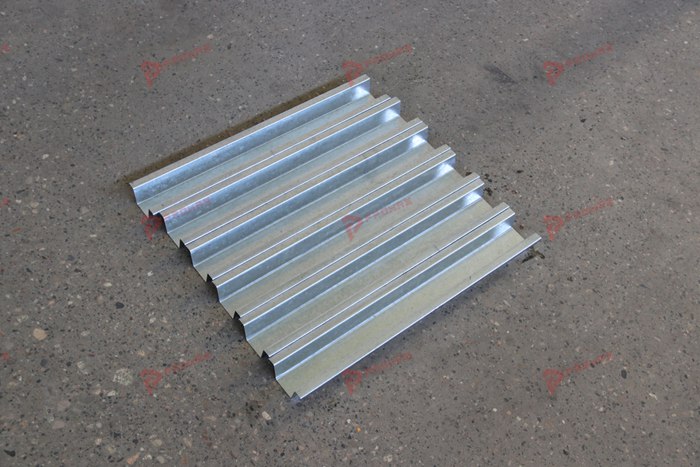
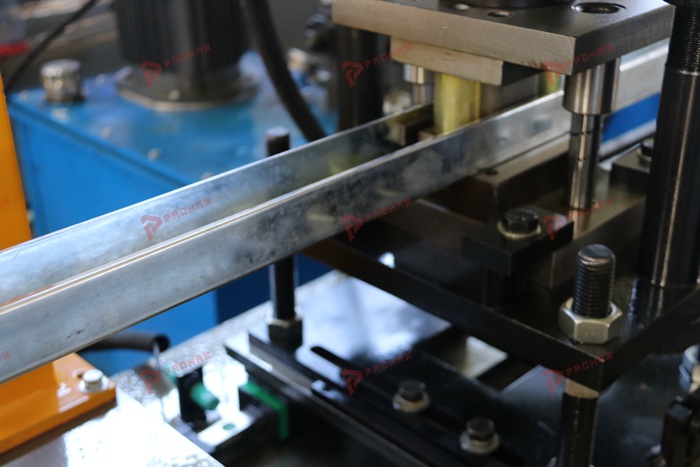
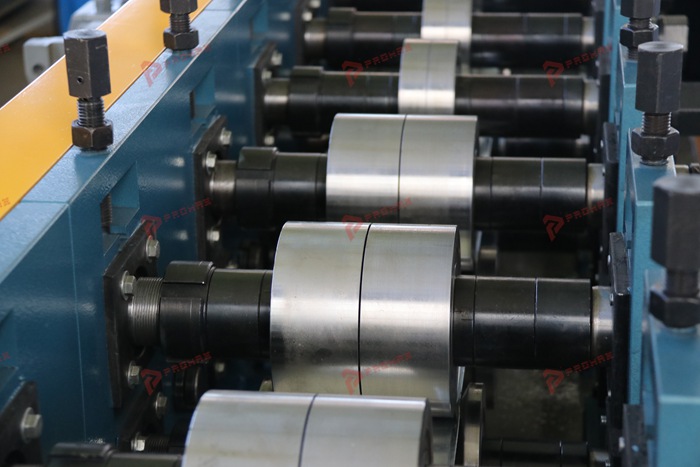
Roll forming produces a continuous metal profile by progressively bending a strip of steel through a series of forming rollers. The exact process layout depends on the machine design, profile dimensions, and selected accessories.
Stable feeding, appropriate roller tooling, correct machine setup, and consistent raw material quality are important for achieving repeatable results. The final production arrangement should be confirmed with the equipment manufacturer before ordering.
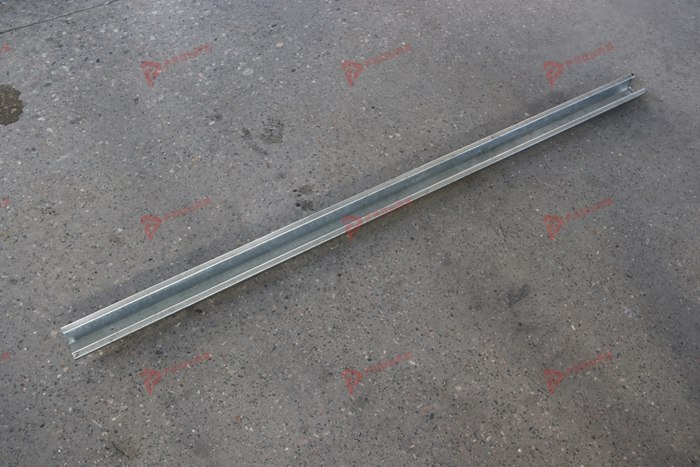
The roller tooling must be designed around the target hat profile. Important dimensions may include the overall width, central web, side walls, flanges, return lips, and other details shown on the customer's drawing. A clear profile drawing helps the manufacturer evaluate the required forming arrangement.
Steel strip and galvanized steel strip may be used for suitable hat channel applications, depending on the intended product. The material grade, thickness, width, coating, and mechanical properties should be confirmed before machine configuration. The supported material range must be verified for the selected equipment.
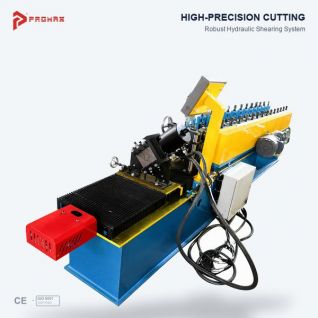
Different projects require different finished profile lengths and cutting arrangements. Buyers should specify the required length range, dimensional tolerance, cut-end quality, and desired production workflow. The appropriate cutting system depends on the machine design and production requirements.
Expected output, daily operating hours, product mix, and available factory space help determine the appropriate line configuration. When comparing suppliers, ask for production figures under clearly defined material and profile conditions rather than relying on a speed figure without context.
Consider operator access, routine inspection, tooling maintenance, spare parts, and technical support. A well-planned machine installation should also account for coil handling, finished-product collection, electrical requirements, and safe access around moving equipment.
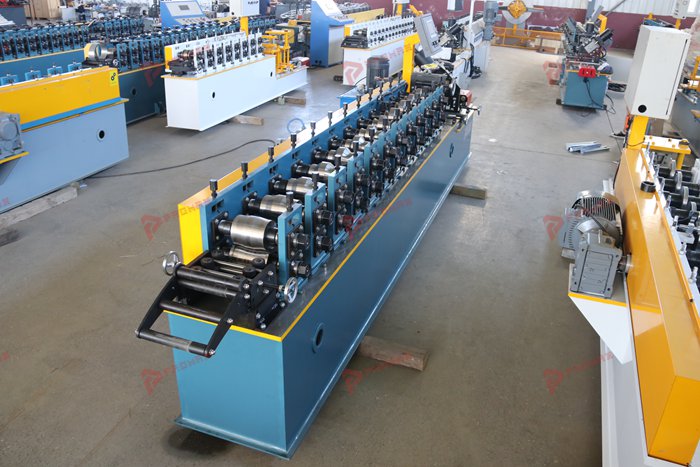
Hat profiles vary across construction systems and regional markets. Customizing the machine configuration begins with understanding the finished product rather than selecting equipment based only on a general product name.
When requesting a quotation, prepare the following information:
After reviewing these details, the manufacturer can assess the tooling requirements and discuss the machine configuration. Profile-change functions, automatic adjustments, punching equipment, and other special features should be confirmed individually in the technical proposal.
Consistent profile quality depends on the raw material, forming tooling, machine alignment, production settings, and inspection procedures. Establishing clear acceptance criteria before production helps manufacturers maintain repeatability across batches.
Inspection requirements should reflect the product drawing, intended application, and relevant customer or market standards. Where profiles serve a structural purpose, their suitability should be established through the appropriate engineering and compliance process.
PROMAX focuses on roll forming equipment for lightweight steel framing and construction profiles. Backed by Tianjin Haixing's experience in roll forming technology since 1996, PROMAX works with customers to evaluate profile drawings, material requirements, and production goals when discussing suitable equipment solutions.
For buyers planning to manufacture hat channels, a clearly defined product specification is the starting point for selecting suitable tooling and equipment. Sharing drawings and production requirements early in the process helps clarify the machine scope, configuration, and quotation.
Before finalizing an order, buyers should confirm the included equipment, tooling, cutting arrangement, supported material range, delivery schedule, installation guidance, warranty conditions, and after-sales support in the commercial and technical documents.
Are you looking for a hat channel roll forming machine for your metal profile production business? Contact PROMAX to discuss your target profile, raw material, finished lengths, and production requirements.
Send your profile drawing or sample information so the technical team can evaluate the application and discuss a suitable machine configuration. Request a quotation to take the next step toward your hat profile manufacturing project.
WhatsApp Code