WhatsApp:
E-mail:
Mobile Phone:
Tel:+86 022 86728681
Fax:+86 022 86728681

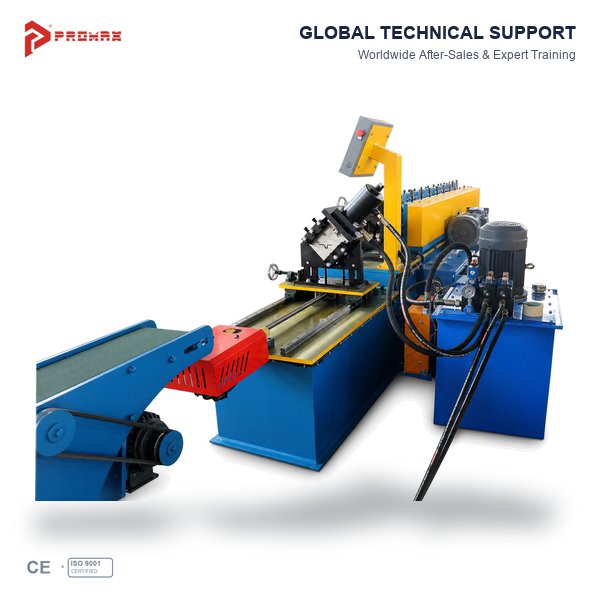
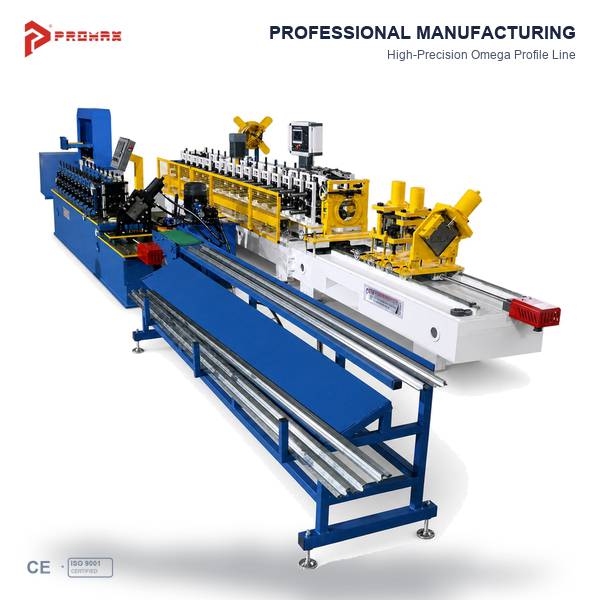
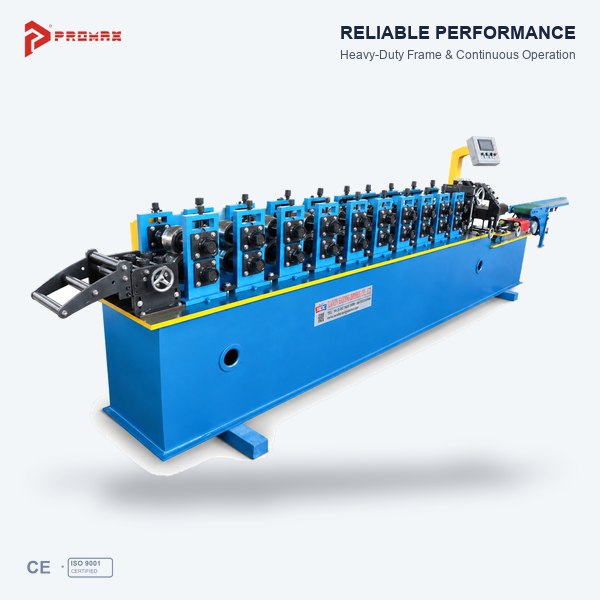
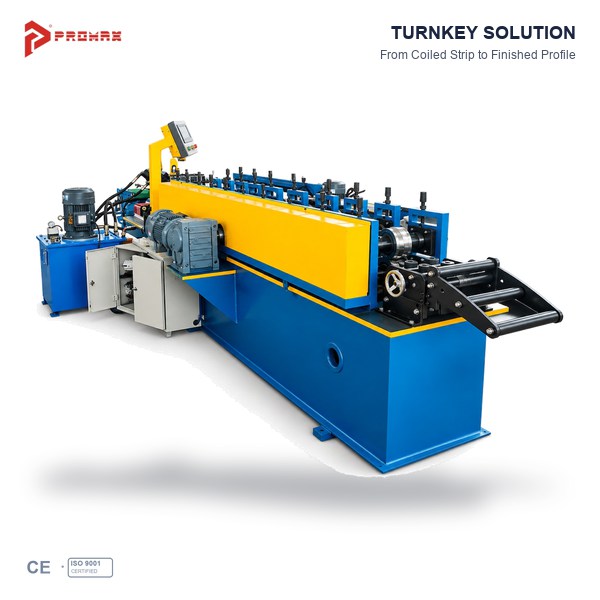
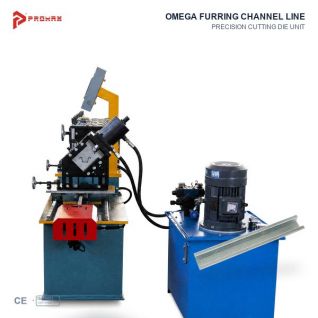
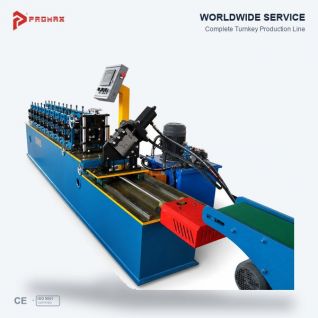
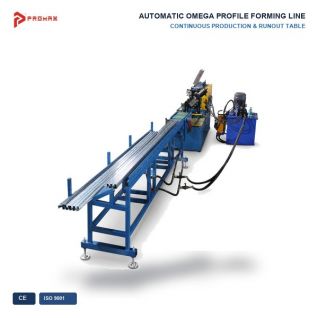
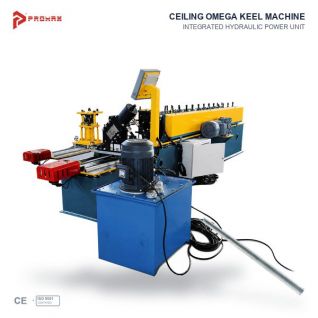
The PROMAX profile forming machine is designed for producing specified Omega-shaped metal profiles used in compatible construction systems. The machine configuration depends on your profile drawing, material specifications, finished length, and required processing functions. Contact us with your product details to discuss a suitable roll forming solution and request a quotation.
The PROMAX Profile Forming Machine is designed for manufacturing specified metal profiles through a continuous roll forming process. For Omega keel production, the machine configuration is evaluated according to the required cross-sectional drawing, raw material specifications, finished profile dimensions, and production requirements.
Metal profile manufacturers need equipment that matches the geometry of their target products and the requirements of their customers. PROMAX provides roll forming solutions for construction profile applications, helping buyers evaluate the forming tooling, material feeding arrangement, cutting system, and other processing functions required for their products.
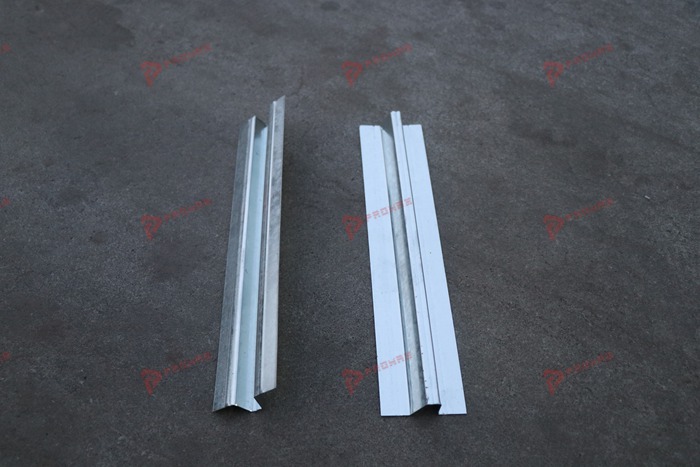
The term Omega keel may refer to different profile designs in different markets. Before confirming the machine configuration, buyers should provide a clear profile drawing or sample so the proposed equipment can be evaluated against the actual product.
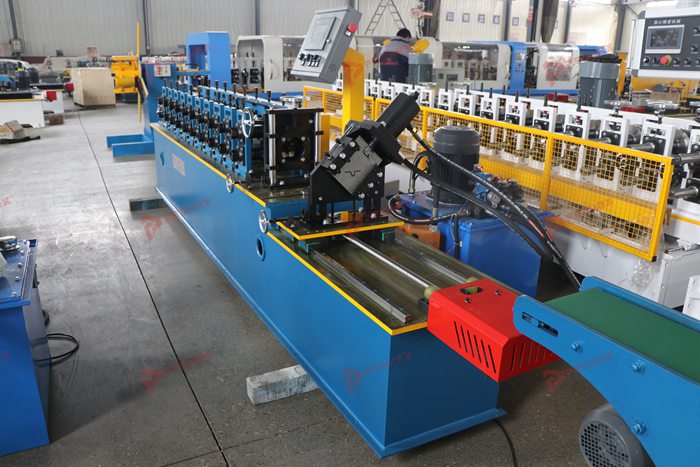
Omega-shaped metal profiles may be used in compatible ceiling, wall lining, and interior construction systems. Their exact application depends on the cross-section, dimensions, installation method, and requirements of the relevant building system.
Omega profiles should not automatically be treated as interchangeable with C studs, U tracks, main channels, or other framing components. Confirming the actual profile drawing helps ensure that the machine description, tooling, and intended application are aligned.
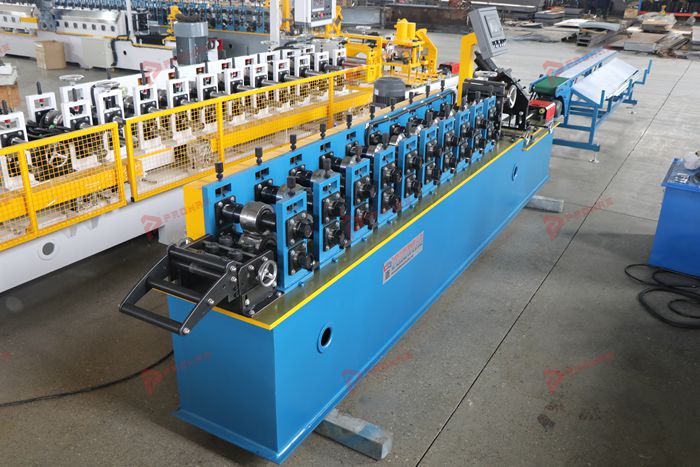
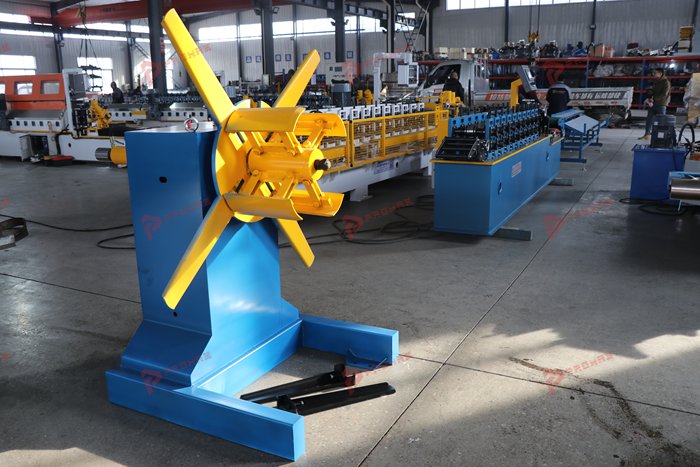
A typical profile forming machine processes metal strip from a coil and gradually shapes it through a series of forming rollers. Each forming stage contributes to the required cross-section. The formed profile is then cut to the specified length using the configured cutting system.
The exact process and equipment configuration depend on the profile and production requirements. Punching, notching, automatic adjustment, and other additional functions should be confirmed before the machine specification is finalized.
The profile drawing is the starting point for equipment selection. It should show the overall width and height, flange dimensions, bends, lips, and other important cross-sectional details. A clear drawing allows the manufacturer to evaluate the required tooling and the suitability of the proposed forming arrangement.
If you intend to produce multiple profiles, provide a separate drawing for each one. The manufacturer can then assess whether the products require different tooling or machine configurations.
Raw material specifications influence forming requirements and tooling design. Buyers should provide the material type, nominal thickness, coil width, and available mechanical property information. Galvanized steel strip is commonly used for many construction profiles, but compatibility must be confirmed for the specific Omega product and proposed equipment.
Finished profiles may require specific lengths, holes, notches, or other features. These requirements should be clearly identified before ordering. Drawings showing the positions and dimensions of any additional processing help the manufacturer evaluate the required machine configuration.
Confirming these details early helps establish the equipment scope and clarify which functions are included in the quotation.
Expected output, order volume, product dimensions, factory layout, and operating conditions all affect equipment selection. Discuss your production targets with the supplier so the proposed configuration can be assessed against your actual manufacturing needs.
Production speed and output should be evaluated alongside material specifications, profile quality, cutting arrangements, and operating conditions. Any quoted performance figures should correspond to a defined product and material specification.
PROMAX focuses on roll forming equipment for metal framing and construction profile applications. Backed by Tianjin Haixing's experience in roll forming technology since 1996, the team can evaluate equipment requirements based on customer drawings and production objectives.
The final technical proposal should identify the supported profile, material range, cutting arrangement, optional functions, and other agreed specifications. This provides a clear basis for evaluating the equipment against the customer's requirements.
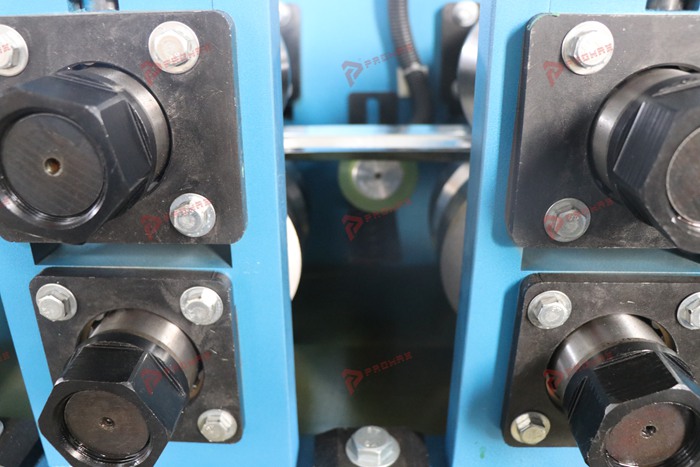
To help evaluate a suitable profile forming machine for Omega keel production, please prepare the following information:
If a complete technical drawing is not available, you can begin with the main profile dimensions, material details, and clear photographs of the finished product. The manufacturer can review the available information and identify any additional details needed to evaluate the equipment.
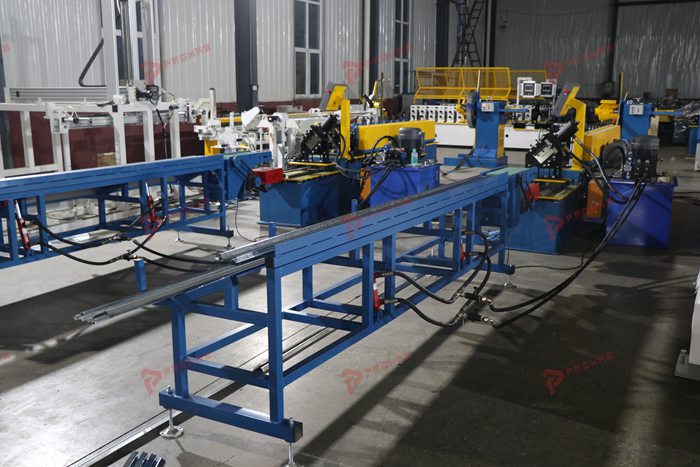
Looking for a profile forming machine for Omega metal profile production? Contact PROMAX with your profile drawing and material specifications. The team can review your requirements and discuss a suitable roll forming solution for your intended application.
Providing accurate technical information at the beginning of the project helps clarify the required equipment configuration and supports a more efficient quotation process.
WhatsApp Code