WhatsApp:
E-mail:
Mobile Phone:
Tel:+86 022 86728681
Fax:+86 022 86728681

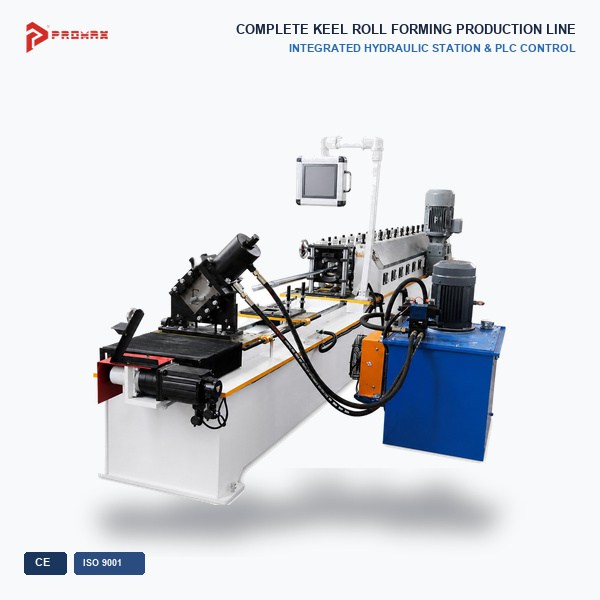
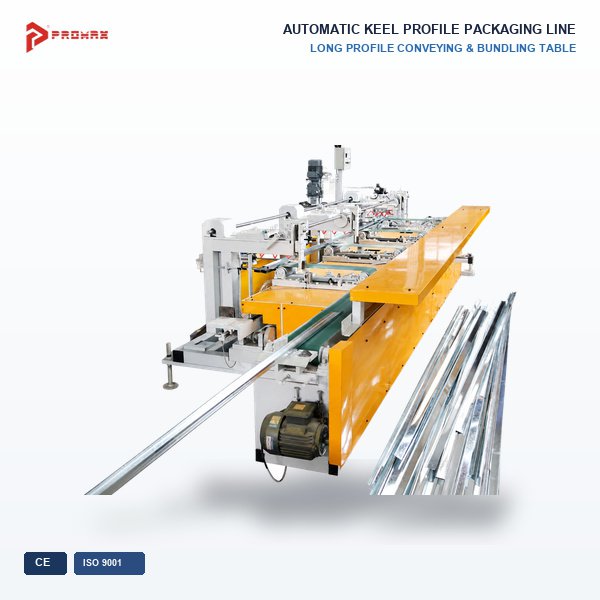
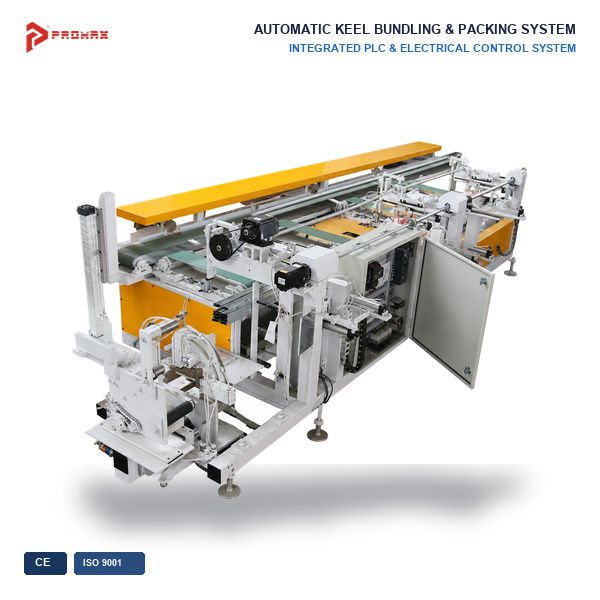
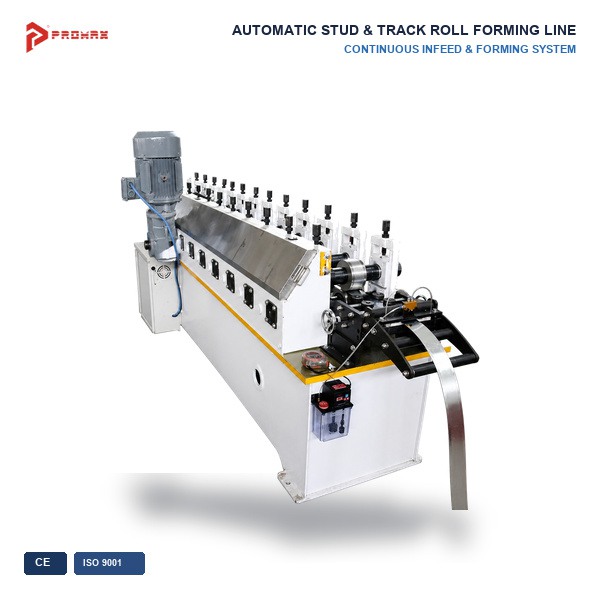
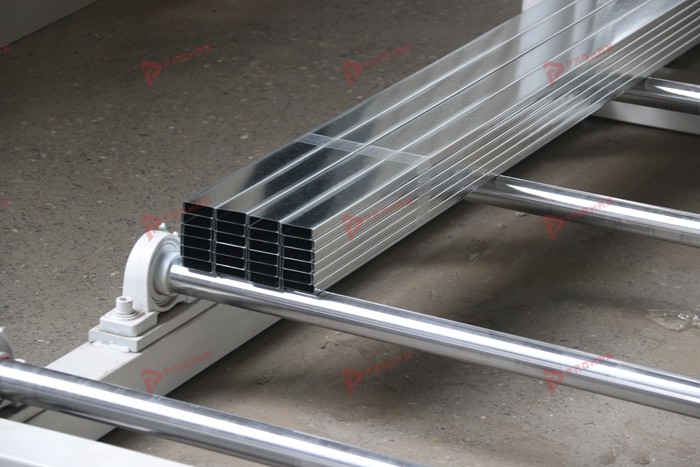
The PROMAX Light Steel Keel Machine is designed for manufacturing galvanized steel profiles used in drywall partitions, gypsum board walls and suspended ceiling systems.
Material: Galvanized Steel
Profile Options: C Stud, U Track, Ceiling Channel and customized framing profiles, depending on machine configuration.
Features: Customized roller tooling, continuous roll forming, cutting options and optional PLC control.
Applications: Drywall partitions, ceiling framing and interior metal construction.
Customization: Profile geometry, steel thickness, cutting lengths and automation configuration.
Send your profile drawings and request a customized quotation.
The light steel keel machine from PROMAX is designed for manufacturing galvanized steel profiles used in drywall partitions, suspended ceilings and interior metal framing systems. The equipment applies continuous cold roll forming technology to transform steel strips into metal framing profiles with specified cross-sectional shapes and dimensions.
Light steel keels are widely used in modern interior construction because they provide a practical framework for gypsum board walls and ceilings. Depending on the construction system, these profiles may include C studs, U tracks, ceiling channels and other specialized metal framing components.
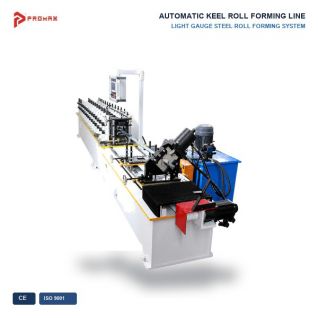
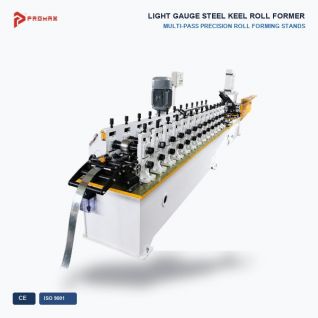
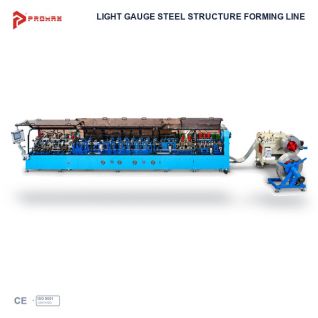
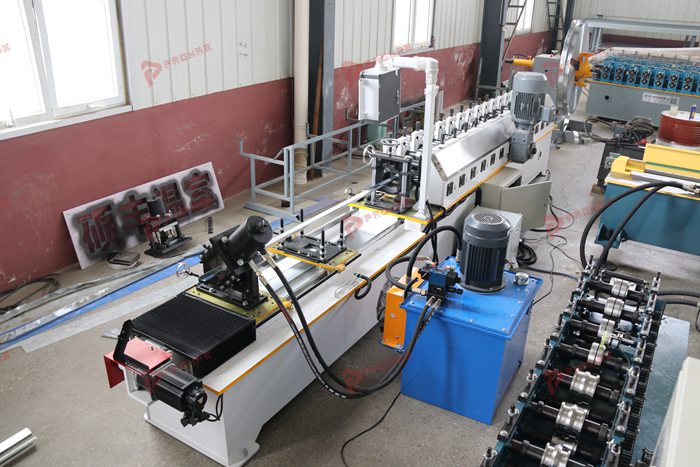
PROMAX develops customized keel roll forming machine solutions according to customer profile drawings, steel material specifications and production requirements. A typical production line may include a decoiler, feeding and guiding system, forming stations, cutting unit, PLC control system and finished product receiving table.
The supported profile types, production speed, material thickness range and automation functions are determined according to the approved machine configuration.
 .
A light steel keel machine is industrial equipment used to manufacture galvanized steel framing profiles through a cold roll forming process.
The term "light steel keel" is commonly used to describe lightweight metal framing components for drywall partitions and ceiling systems. In international construction markets, similar products are often described as metal studs, tracks, drywall profiles or ceiling channels.
The machine processes steel coils through successive roller stations, where the material is gradually bent into the required profile geometry.
After forming, the profile is cut to the specified length and collected for inspection or packaging.
Different keel profiles require suitable roller tooling and equipment configurations because their cross-sectional shapes are not identical.
Galvanized light steel keels are used in a variety of interior construction applications.
Typical applications include:
The suitability of each finished profile depends on its dimensions, steel thickness, mechanical properties and the requirements of the intended construction system.
PROMAX can evaluate customer profile drawings and recommend appropriate equipment for different drywall and ceiling applications.
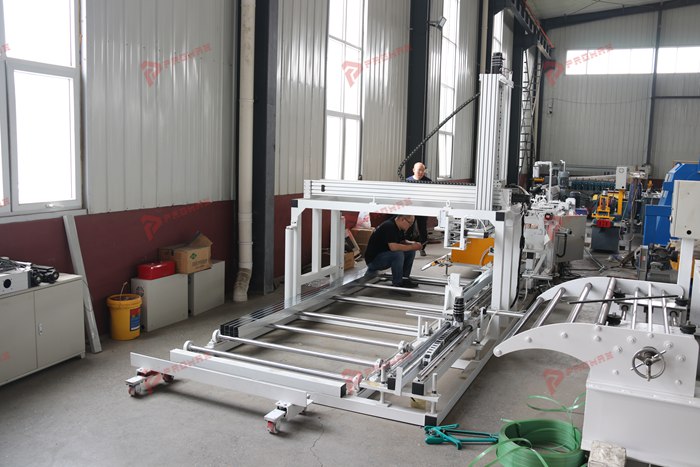
A metal keel making machine can be designed for different profile types according to the customer's manufacturing requirements.
C Stud Profiles: C-shaped studs are commonly used as vertical framing members in drywall partition walls. Their geometry generally includes a central web, flanges and return lips.
U Track Profiles: U-shaped tracks are installed horizontally in many drywall systems to receive and position compatible C studs.
Ceiling Channel Profiles: Metal ceiling channels provide support for specified suspended ceiling and gypsum board systems. Their shapes and dimensions vary according to the intended application.
Special Metal Profiles: Additional keel profiles can be developed according to approved drawings and material specifications.
Manufacturing multiple profile types on one machine requires compatible tooling or a suitable changeover arrangement. The supported profile range must be confirmed in the technical proposal.
The keel roll forming machine uses progressive cold forming technology to convert galvanized steel strips into finished framing profiles.
The manufacturing process begins with a steel coil placed on the decoiler. The steel strip is supplied to the feeding and guiding system before entering the forming stations.
Inside the forming section, successive roller stations gradually bend the material into the specified profile geometry.
Each forming station performs part of the bending operation, allowing the steel strip to reach its final cross-sectional shape through a controlled sequence.
After forming, the profile passes through the cutting system to obtain the required finished length.
Optional operations, such as punching, marking or automated length control, can be evaluated according to the equipment configuration.
A typical light steel keel production line may include several integrated systems:
The final equipment arrangement depends on the approved profile design, material properties and production requirements.
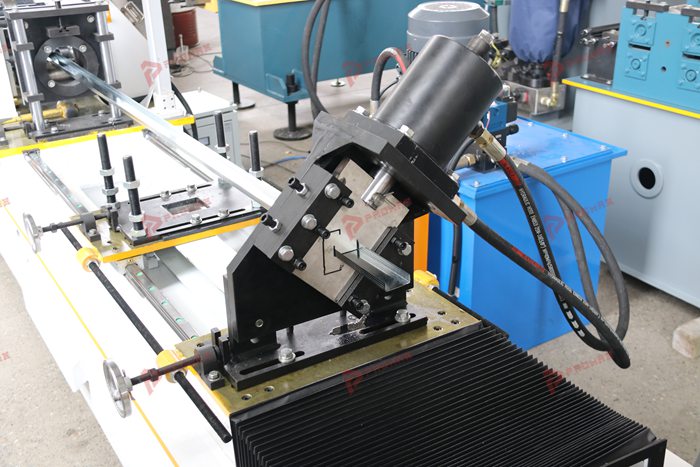
Roller tooling is an essential component of a metal keel roll forming machine.
The forming rollers are designed according to the required profile drawing, steel thickness, bending radii and material properties.
Each roller station gradually changes the strip geometry until the required cross-sectional shape is achieved.
Different keel profiles, such as C studs, U tracks and ceiling channels, require suitable tooling because their shapes and dimensions are different.
Proper roller alignment and material guidance are important for maintaining dimensional consistency during production.
PROMAX can develop customized roller tooling according to customer-approved profile drawings.
Galvanized steel is commonly used for light steel keel manufacturing because it combines mechanical strength with a protective zinc coating.
When selecting a galvanized steel keel machine, manufacturers should confirm the steel thickness, strip width, yield strength and coating characteristics.
These parameters influence the forming forces, roller tooling and mechanical configuration of the equipment.
The selected steel material must be compatible with the machine specifications and the requirements of the finished profile.
Different material grades or thickness ranges may require adjustments to the technical design.
The production of galvanized light steel keels generally includes the following stages:
The actual manufacturing sequence may vary according to the selected equipment configuration.
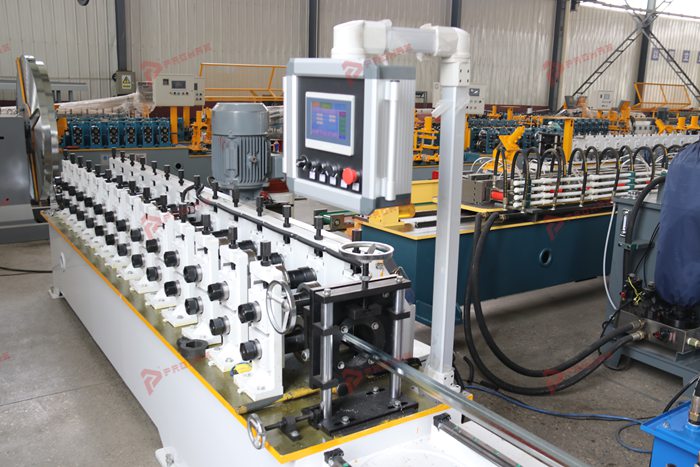
The PROMAX steel keel forming machine can be configured with a PLC control system to manage selected production functions.
Depending on the configuration, operators may enter cutting lengths, production quantities and other supported parameters through a human-machine interface.
The cutting system is selected according to the profile geometry, steel thickness and required manufacturing process.
Automatic cutting options can support production orders requiring different finished lengths.
Additional automation functions can be evaluated according to customer requirements.
Automatic profile size adjustment or C/U changeover is available only when specifically included in the approved equipment configuration.
PROMAX provides customized equipment solutions for manufacturers requiring different metal keel profiles.
The machine can be developed according to customer requirements for profile width, flange dimensions, return lip geometry, steel thickness and cutting length.
For ceiling channel applications, the tooling is designed according to the specified cross-sectional drawing.
Optional processing functions, such as punching or specialized cutting, can be evaluated according to production requirements.
The ability to manufacture multiple profile sizes or types on one machine depends on the tooling arrangement and adjustment mechanisms.
Customers are encouraged to provide complete profile drawings and material specifications before equipment selection.
Cold roll forming is widely used for manufacturing metal profiles with defined cross-sectional shapes.
The process allows steel strips to be formed continuously through successive roller stations without heating the material for bending.
For manufacturers producing repetitive profile designs, cold roll forming provides a practical method for organizing production.
Customized tooling supports the manufacturing of profiles according to approved drawings.
Cut-to-length production allows finished products to be manufactured according to specified order lengths.
Actual machine performance depends on the profile geometry, steel material properties and equipment configuration.
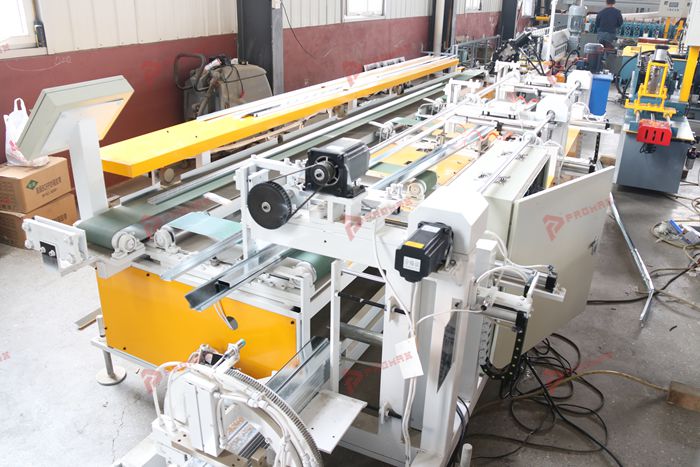
Manufacturers can choose different equipment arrangements according to their product range and production requirements.
Dedicated Profile Machines: A dedicated machine is configured for a defined profile geometry, such as a C stud, U track or ceiling channel.
Adjustable Roll Forming Machines: An adjustable machine may support a specified range of compatible profile dimensions, depending on its tooling design.
Combined Production Solutions: Certain machine configurations can be designed to manufacture compatible C and U profiles, including optional changeover arrangements.
These configurations have different tooling requirements, operating procedures and investment considerations.
PROMAX can evaluate customer drawings and recommend an appropriate production solution.
Dimensional inspection is an important part of light steel keel manufacturing.
Typical inspection points include profile width, flange height, bending geometry, straightness and cutting length.
For C-shaped profiles, return lip dimensions may also require inspection.
The condition of the galvanized coating should be checked after forming.
Inspection tolerances and acceptance criteria should be defined according to the approved profile drawings and the requirements of the intended construction system.
Consistent raw material specifications and appropriate machine maintenance are important for stable manufacturing.
Before purchasing a light steel keel machine, manufacturers should confirm the required profile types, steel material specifications and production needs.
Important information includes profile drawings, steel thickness, material grade, finished cutting lengths and expected production capacity.
Customers should also identify whether punching, automatic size adjustment, profile changeover or other processing functions are required.
These details help determine the appropriate roller tooling, forming stations, cutting system and control configuration.
PROMAX can evaluate customer requirements and prepare a suitable technical proposal.
PROMAX develops cold roll forming equipment for drywall studs, tracks, ceiling channels and lightweight metal framing profiles.
Our services include profile drawing evaluation, machine configuration planning, customized tooling and equipment manufacturing.
Backed by Tianjin Haixing's experience in roll forming technology since 1996, PROMAX supports manufacturers seeking customized equipment solutions for different markets.
Our team can help customers evaluate profile dimensions, material specifications and production requirements before preparing a quotation.
Are you looking for a light steel keel machine to manufacture galvanized metal framing profiles for drywall partitions or suspended ceiling systems?
Send us your profile drawings, steel thickness, material specifications, required cutting lengths and production capacity expectations.
Our engineering team can review your requirements and recommend a suitable machine configuration.
Contact PROMAX today to request a customized quotation for your light steel keel production line.
WhatsApp Code