WhatsApp:
E-mail:
Mobile Phone:
Tel:+86 022 86728681
Fax:+86 022 86728681

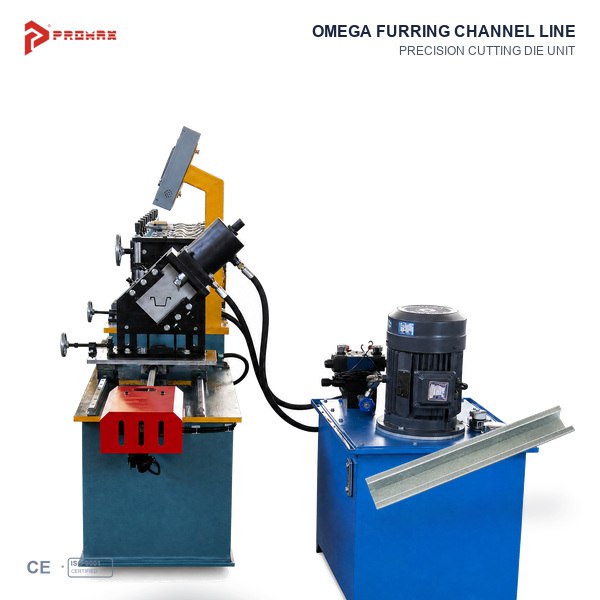
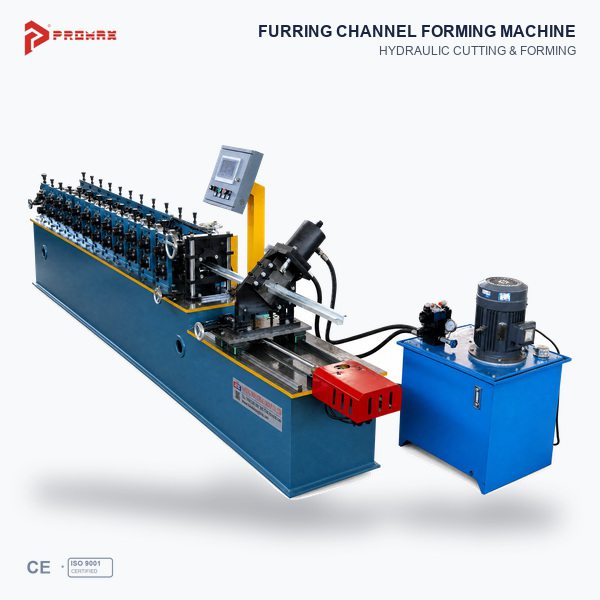
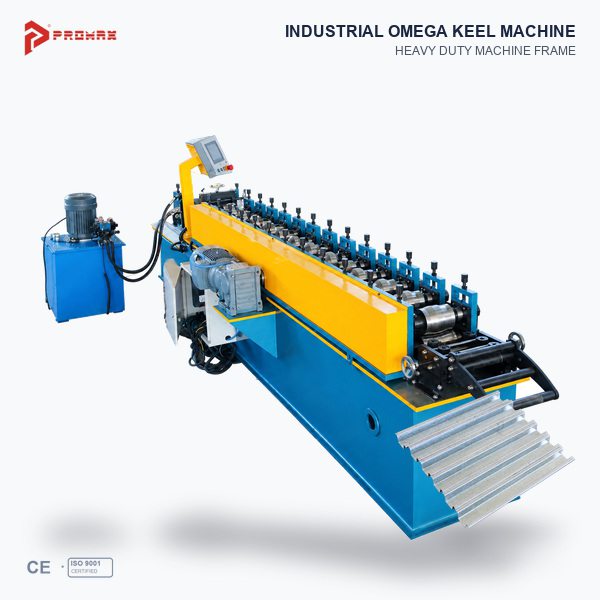
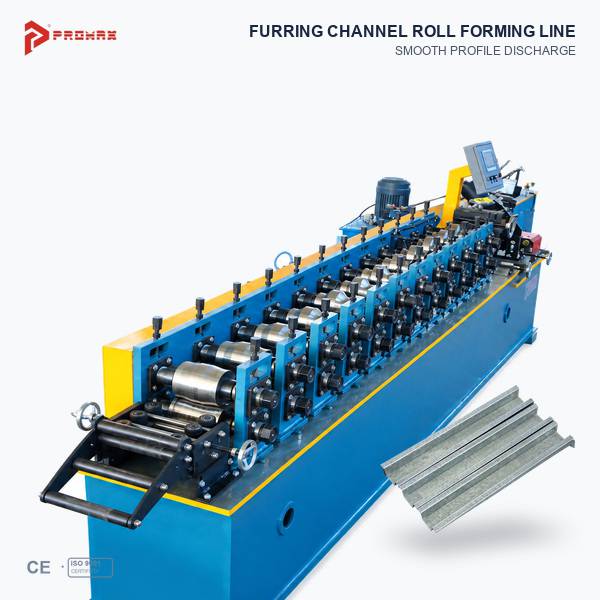
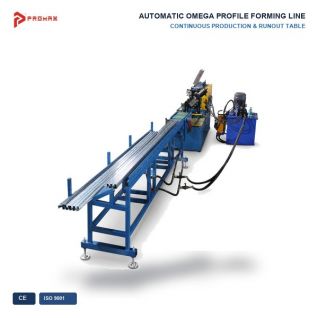
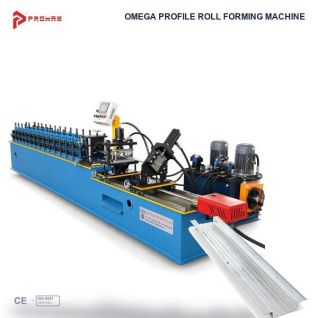
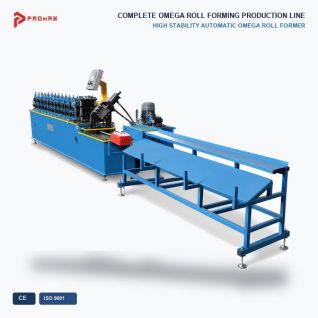
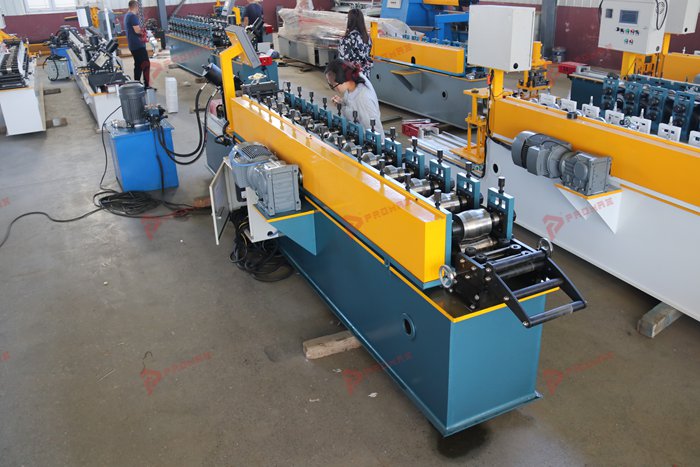
PROMAX omega roll forming machine is designed for producing Omega-shaped metal profiles for compatible construction, wall lining, ceiling, and lightweight framing applications.
Send your profile drawing, material specifications, and production target to PROMAX to discuss a suitable machine configuration and request a quotation.
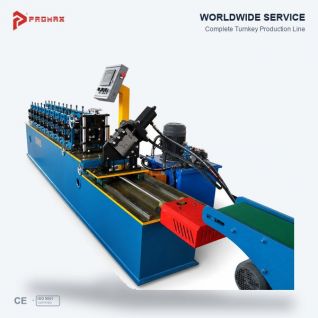
The PROMAX omega roll forming machine is designed for producing Omega-shaped metal profiles from steel strip. Using progressive roll forming technology, the machine gradually shapes flat metal material into a specified cross-section through a series of forming rollers.
Omega profiles are used in selected building, interior finishing, and metal framing systems. Because profile dimensions and application requirements vary by market, the machine should be configured according to the customer's drawings, material specifications, required finished lengths, and production targets.
For manufacturers planning to add Omega profiles to their product range, selecting suitable forming equipment involves more than choosing a machine by name. Tooling design, material compatibility, feeding stability, cutting requirements, and finished-profile tolerances should all be considered during the equipment evaluation process.
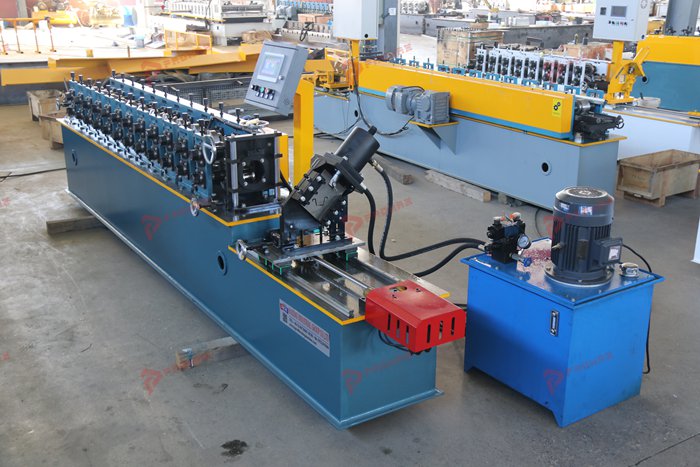
An Omega roll forming machine manufactures metal sections with an Omega-shaped cross-section. Depending on the drawing, the profile may feature a raised central section, side walls, and outward-facing flanges. The exact geometry varies according to the intended application and the customer's specifications.
Omega-shaped profiles may be used in compatible wall lining, ceiling, furring, and lightweight construction systems. However, similarly named profiles can have different dimensions and functions. Buyers should confirm the intended application and provide a drawing or sample before selecting a machine.
The forming rollers must match the required cross-section. Equipment designed for one profile should not automatically be assumed to produce another profile type, such as a hat channel, C stud, or ceiling channel, without a confirmed tooling and machine configuration.
Omega profile roll forming equipment can serve metal profile manufacturers, construction material suppliers, and factories producing customized building components. Typical applications depend on the actual profile design and its compatibility with the intended construction system.
Selected Omega-shaped profiles can be used as support or fixing components in compatible wall lining and cladding assemblies. Profile dimensions and material specifications should be checked against the installation requirements.
Some Omega profiles are used in interior finishing and ceiling-related applications. Buyers should verify the exact profile standard because ceiling channels with similar appearances may have different dimensions and functions.
Where the profile design is suitable, Omega sections can be manufactured for specific lightweight framing and finishing applications. The intended use and required performance should be established before production.
Roll forming equipment can help manufacturers supply specified metal sections to distributors, contractors, and building material companies. Custom production requirements should be evaluated using the target profile drawing and material data.
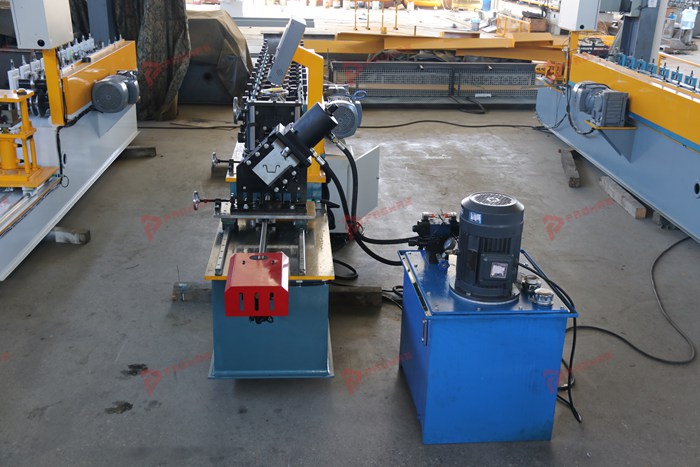
A typical roll forming line converts steel strip into a finished metal profile through a sequence of forming stages. The equipment layout depends on the selected machine design, profile dimensions, and required production workflow.
Stable material feeding, properly designed tooling, correct machine alignment, and consistent raw material help maintain production quality. The exact process and automation level should be confirmed with the equipment manufacturer.
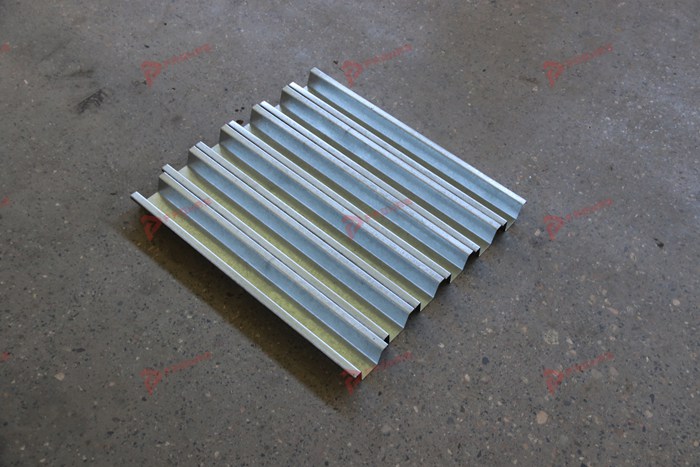
The roller tooling should be designed according to the target profile drawing. Important dimensions may include the overall width, central section, side walls, flanges, and any return lips. A complete drawing helps the manufacturer assess the forming sequence and tooling requirements.
Steel strip and galvanized steel strip may be suitable for different Omega profile applications. The material grade, thickness, strip width, coating, and mechanical properties must be confirmed for the selected equipment. The supported material range should be stated in the final technical proposal.
Consistent feeding and appropriate roller alignment help reduce profile variation during production. When evaluating equipment, ask how the proposed configuration will handle your material and target cross-section.
The required profile length, dimensional tolerance, cut-end quality, and production workflow influence the cutting arrangement. Buyers should specify these requirements before the machine configuration is finalized.
Expected output, operating hours, product variety, and available factory space should be considered together. Ask the supplier to clarify production capacity under defined profile and material conditions. Automatic adjustments, punching, and rapid profile changeover should be treated as optional or configuration-specific unless confirmed in writing.
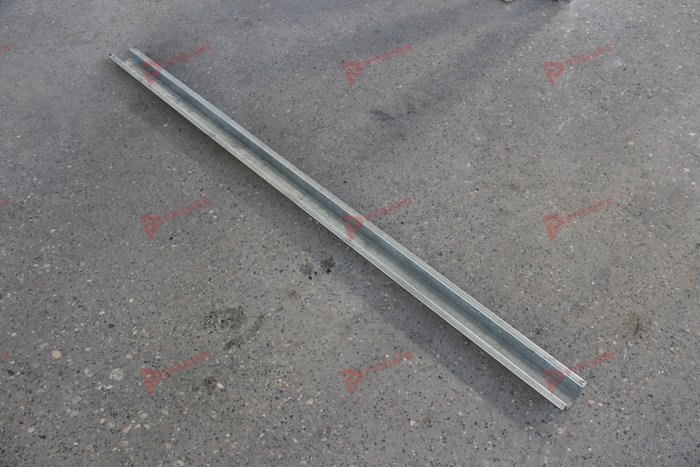
Omega profiles can vary in shape and dimensions according to local construction practices and customer requirements. A suitable machine configuration should begin with the finished profile specification rather than a general product description.
When requesting a quotation, prepare the following information:
These details help the manufacturer evaluate tooling, feeding, forming, and cutting requirements. If multiple profile sizes are needed, each drawing should be reviewed to establish whether the proposed tooling and adjustment method can support them.
Consistent finished-profile quality depends on material properties, roller tooling, machine setup, and inspection procedures. Establishing clear acceptance criteria helps manufacturers identify deviations and maintain repeatability during production.
Inspection procedures should be based on the approved drawing, customer specifications, and intended application. Where the finished profile is used in a regulated or structural building system, applicable engineering and compliance requirements should be verified separately.
Before placing an order, buyers should review the complete machine specification and ensure that it matches the intended production process.
A detailed technical and commercial review helps both parties establish a clear understanding of the machine configuration and project scope before manufacturing begins.
PROMAX focuses on roll forming equipment for lightweight steel framing and construction profiles. Backed by Tianjin Haixing's experience in roll forming technology since 1996, PROMAX works with customers to evaluate profile drawings, material requirements, and production goals when discussing equipment solutions.
For manufacturers planning to produce Omega profiles, clear technical specifications are essential for selecting appropriate tooling and machine components. Sharing the target drawing, raw material details, production volume, and application information helps the technical team assess the project and prepare a relevant proposal.
Looking for an omega roll forming machine for your metal profile manufacturing business? Contact PROMAX with your profile drawing, steel specifications, required finished lengths, and production target.
Our team can review your requirements and discuss a suitable machine configuration. Request a quotation to start planning your Omega profile production project.
WhatsApp Code