WhatsApp:
E-mail:
Mobile Phone:
Tel:+86 022 86728681
Fax:+86 022 86728681

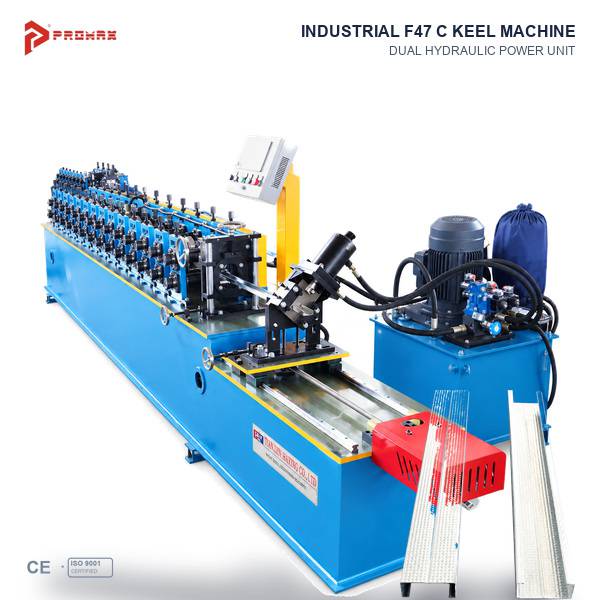
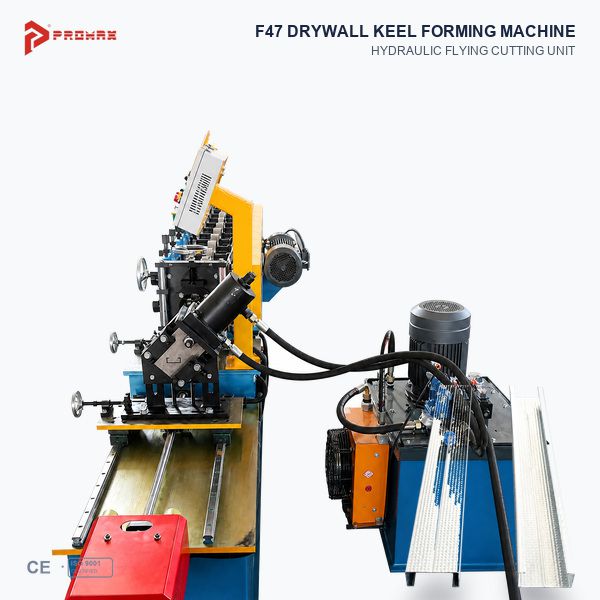
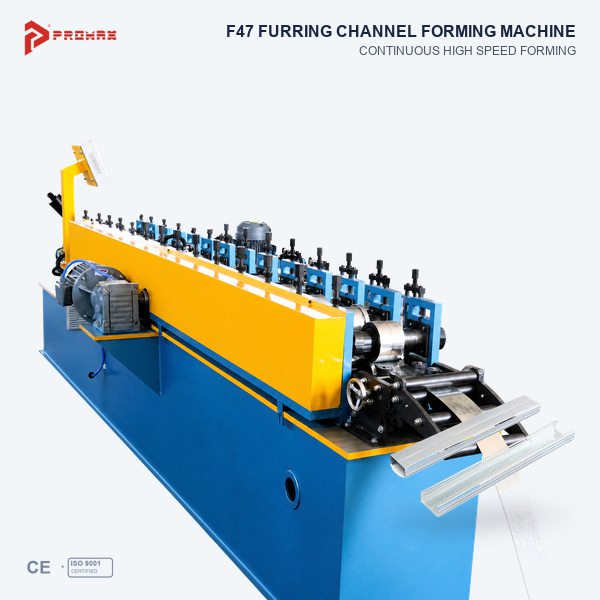
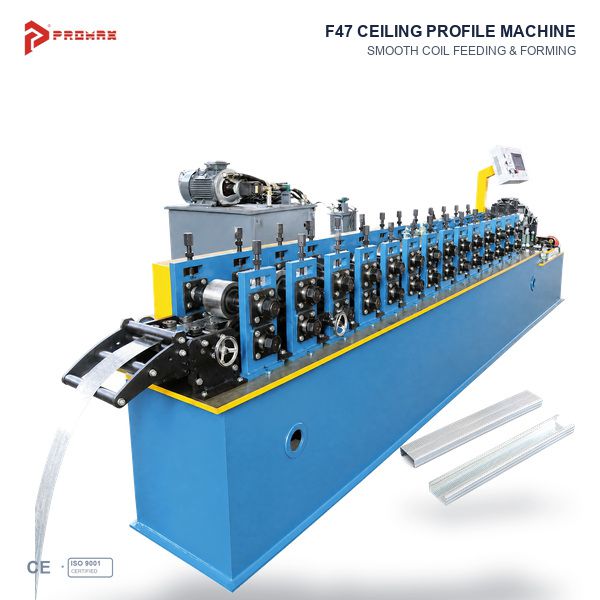
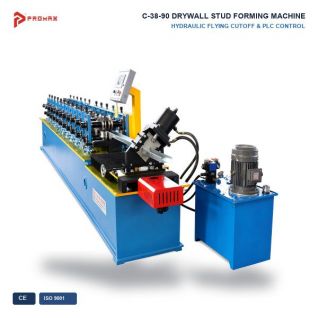
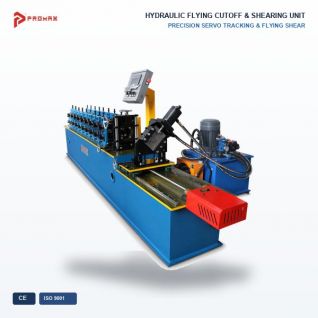
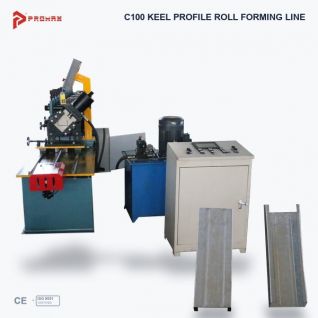
The PROMAX C channel roll forming machine is designed for producing specified F47 metal ceiling profiles for compatible suspended ceiling systems. The machine configuration depends on your profile drawing, material specifications, finished lengths, and processing requirements. Contact us to discuss your application and request a suitable roll forming solution.
The PROMAX C Channel Roll Forming Machine is designed for manufacturing specified C-shaped metal profiles used in compatible ceiling framing systems. This model is intended for F47 ceiling channel production, with the machine configuration determined by the required profile drawing, raw material specifications, and production requirements.
F47 profiles are used in certain suspended ceiling systems as part of the metal framework supporting ceiling boards or panels. Manufacturers supplying construction material distributors, ceiling contractors, and building product wholesalers need profiles that meet the dimensions and specifications required by their target markets.
A suitable C channel roll forming machine progressively shapes metal strip into the specified cross-section. Before selecting equipment, buyers should confirm the F47 profile dimensions, material type, thickness, coil width, finished length, and any additional processing requirements.
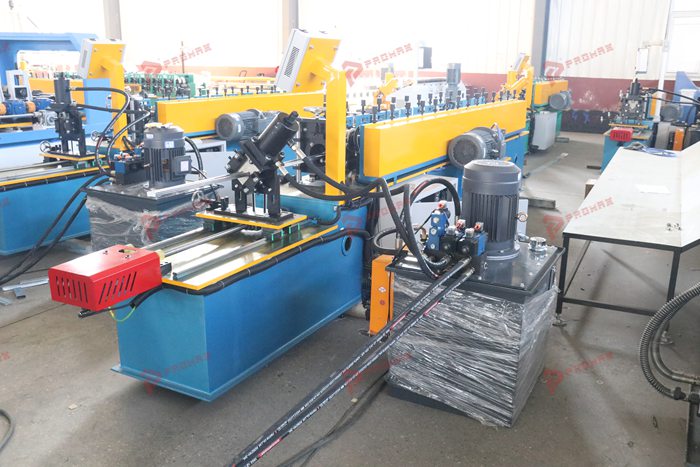
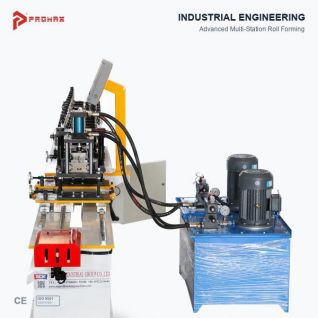
A C channel roll forming machine is industrial equipment that transforms metal strip into C-shaped profiles through a progressive roller-forming process. The strip passes through a series of forming stations, with each stage contributing to the final cross-sectional geometry.
The term C channel can describe different metal profiles used in construction and industrial applications. A machine designed for one C-shaped profile is not automatically suitable for another. F47 ceiling channel production requires the appropriate tooling and machine configuration for the specific profile drawing.
Before ordering, manufacturers should confirm the following information:
These details help the supplier assess whether the proposed machine configuration is suitable for the intended F47 profile.
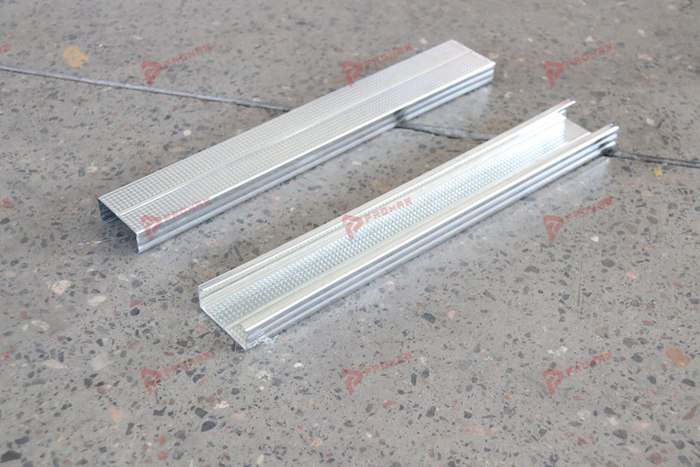
F47 metal channels are used in compatible suspended ceiling framing systems. Their precise function depends on the ceiling system design, profile dimensions, and installation method specified for the project.
Specified metal ceiling channels form part of the supporting framework in compatible suspended ceiling systems. The finished profile must match the requirements of the intended system, including its dimensions and installation arrangement.
Metal ceiling framing profiles are used in a range of interior construction projects, including residential buildings, offices, retail spaces, and other commercial premises. Product specifications can vary by market and construction practice.
Manufacturers producing ceiling channels for contractors and building material distributors need to consider profile consistency, finished length, material requirements, and production planning. A correctly configured roll forming machine supports a repeatable process for the specified product.
Because profile names and dimensions can vary between markets, buyers should confirm the exact F47 drawing rather than relying on the model name alone.
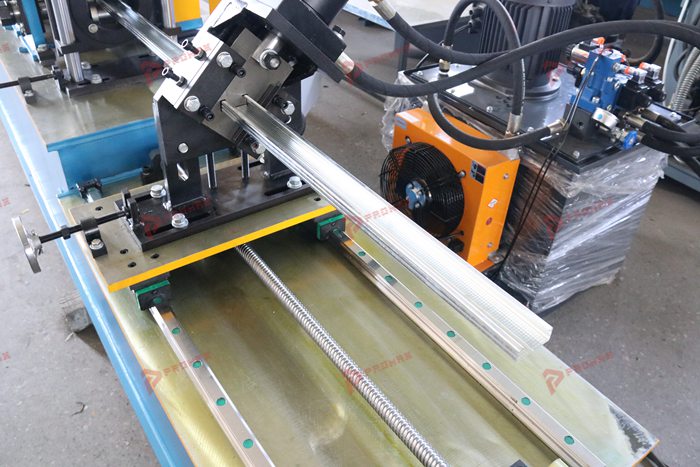
The roll forming process gradually shapes metal strip into the required cross-section. The production sequence and included equipment depend on the selected machine configuration.
Depending on the product design, additional processes such as punching or notching may be required. Buyers should specify these functions in advance and confirm whether they are included in the proposed machine configuration.
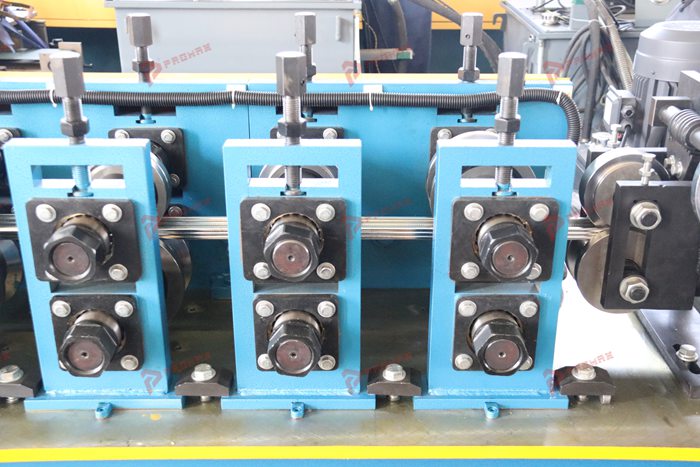
Provide a clear technical drawing showing the complete F47 cross-section. Include the overall width and height, flange dimensions, edge details, and any other features relevant to the finished profile. If several profile sizes are required, list each one separately.
Metal ceiling profiles may be manufactured from galvanized steel or other specified materials, depending on the application. Share the material type, thickness, and coil width so the machine configuration can be evaluated against your requirements.
Specify the required product lengths and dimensional tolerances. If the production line needs to handle different lengths, explain the intended production range and cutting requirements.
If the profile requires holes, notches, or other features, provide their dimensions and locations. Confirm whether these operations are included in the machine or require additional equipment.
Expected output, product variety, order frequency, and changeover requirements can affect equipment selection. Discuss your production targets with the supplier and confirm the expected performance for the specified profile and material.
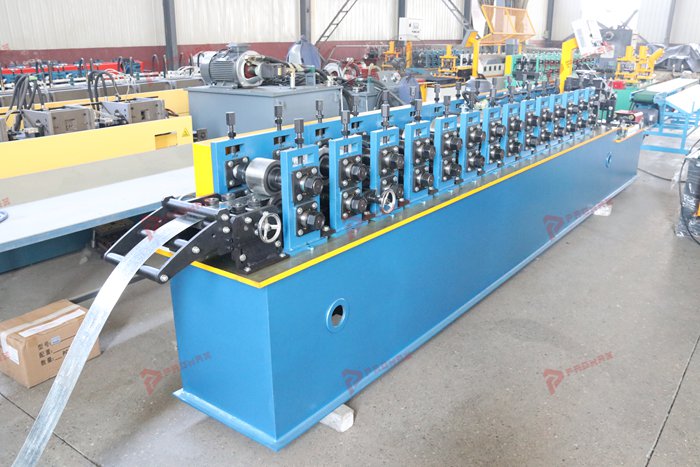
When evaluating a C channel roll forming machine, buyers should consider more than the machine name. The roller tooling, feeding arrangement, cutting system, control functions, and any additional processing equipment should match the intended product.
If multiple profile sizes are required, ask the supplier to explain the supported profile range and the changeover procedure. Depending on the design, changing profiles may involve manual adjustments, tooling replacement, or specified automated functions.
Before confirming the order, request a technical proposal that clearly identifies:
Confirming these details helps ensure that the equipment matches the actual production requirements of your factory.
PROMAX focuses on roll forming equipment for metal framing and construction profile applications. Backed by Tianjin Haixing's experience in roll forming technology since 1996, PROMAX can review customer drawings and discuss equipment configurations for specified F47 ceiling channel production.
The final machine proposal should clearly state the supported profile dimensions, material specifications, included functions, and applicable machine capabilities. This provides a practical basis for evaluating the proposed equipment against your manufacturing needs.
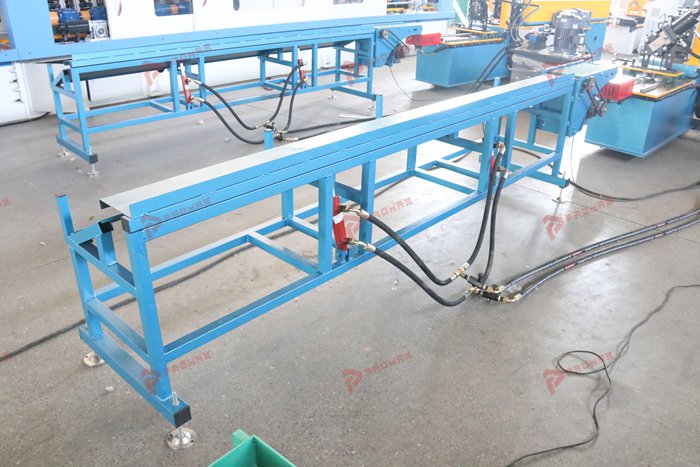
Looking for a C channel roll forming machine for F47 ceiling profile production? Contact PROMAX with your profile drawing, material specifications, required finished lengths, and production targets.
If your profile requires punching, notching, or other specialized processing, include these details in your inquiry. Providing accurate technical information helps the supplier evaluate the appropriate machine configuration for your application.
Send your F47 profile drawing and production requirements to discuss a suitable C channel roll forming solution for your business.
WhatsApp Code