WhatsApp:
E-mail:
Mobile Phone:
Tel:+86 022 86728681
Fax:+86 022 86728681

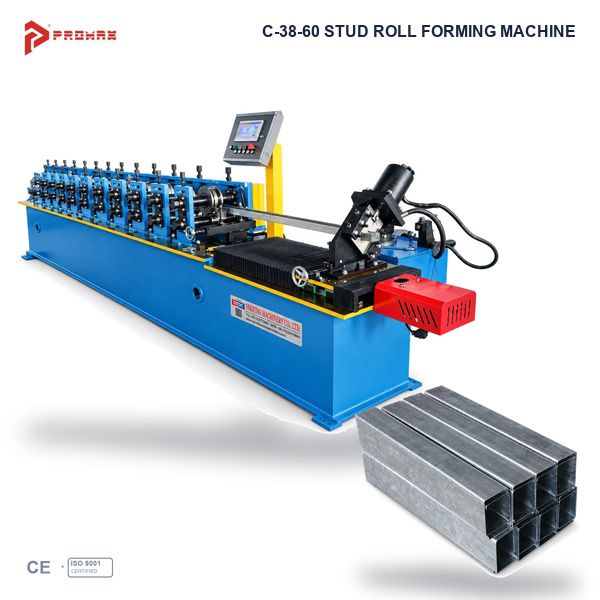
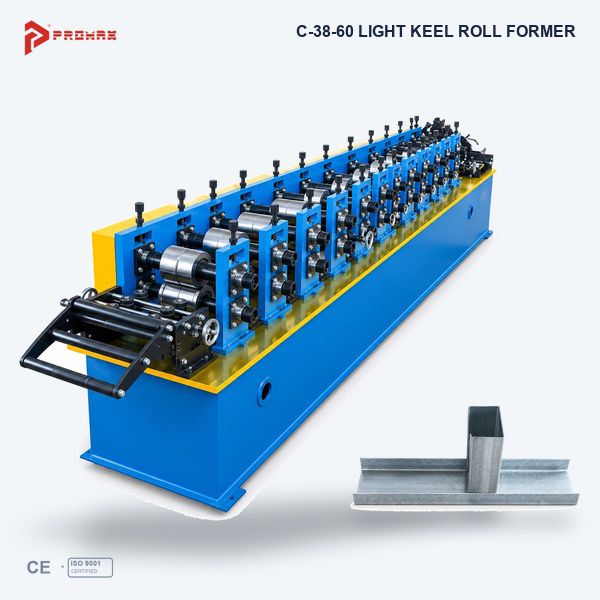
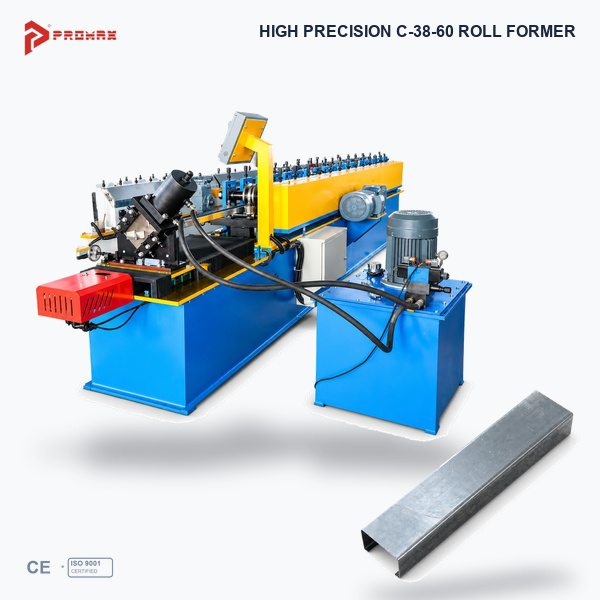
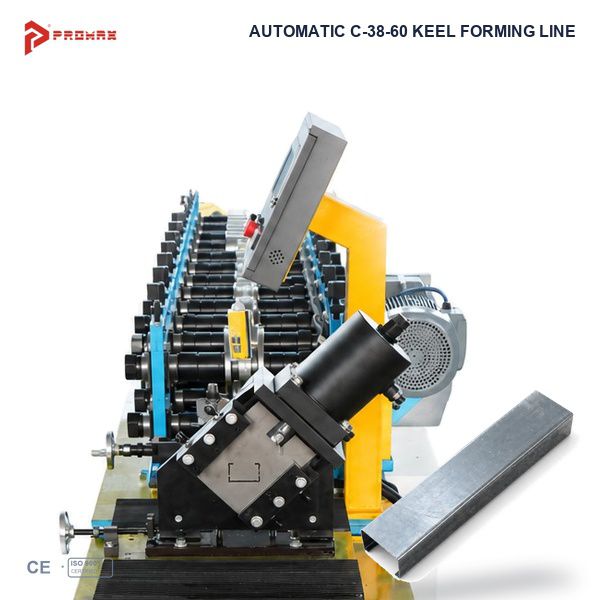
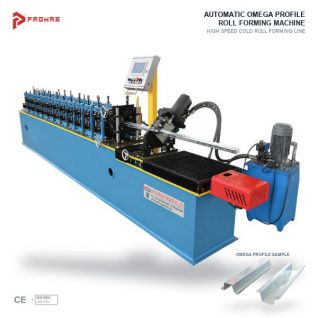
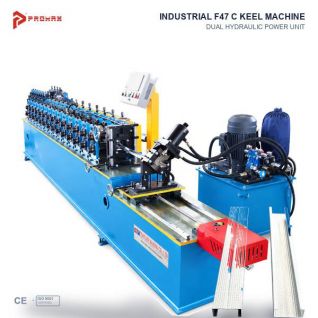
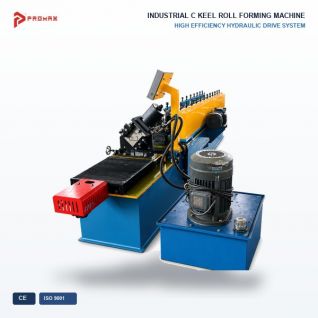
The PROMAX iron keel making machine is designed for producing specified C-38-60 metal keel profiles for compatible ceiling and interior framing systems. Configuration depends on your profile drawing, material specifications, finished lengths, and production requirements. Contact us for a tailored machine proposal.
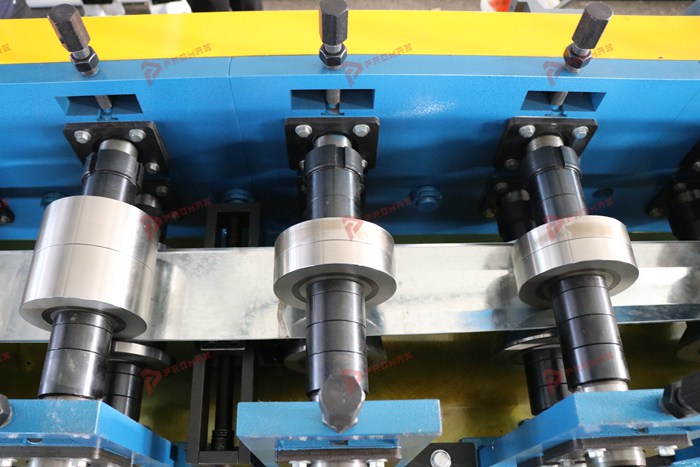
The PROMAX iron keel making machine is designed for manufacturing specified C-38-60 metal keel profiles used in compatible ceiling and interior construction systems. The machine uses a roll forming process to gradually shape metal strip into the required cross-section. Its final configuration depends on the profile drawing, material specifications, finished lengths, and production requirements.
For manufacturers of light steel keels and ceiling framing components, choosing the right forming equipment is essential for maintaining a consistent production process. PROMAX provides roll forming solutions based on the customer's intended profile and manufacturing needs. Before selecting a machine, buyers should confirm the dimensions and geometry of the C-38-60 profile to ensure that the proposed equipment matches the required finished product.
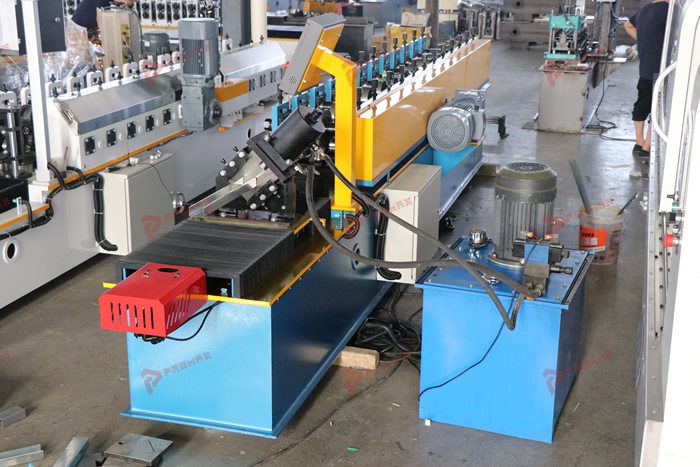
An iron keel making machine is used to form metal strip into profiles for compatible ceiling framing, drywall support, and interior construction applications. In many markets, these products are manufactured from galvanized steel or other specified light gauge metals. The exact material depends on the target profile and applicable project requirements.
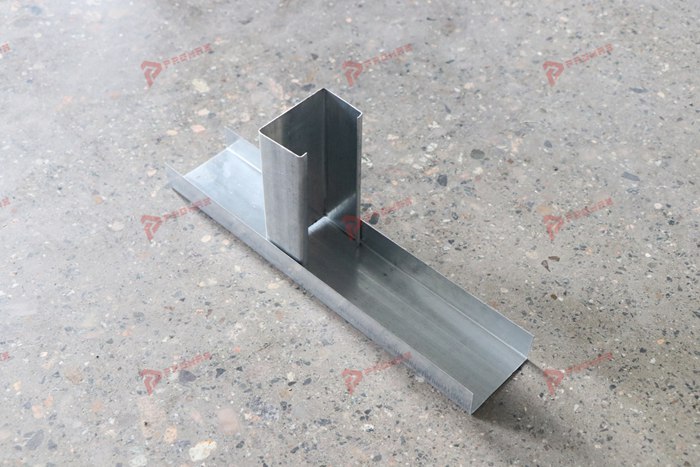
This machine is intended for producing a specified C-38-60 keel profile. The designation should be verified against the customer's technical drawing, including the profile width, height, flange dimensions, lip geometry, and material thickness. Profile names and dimensions can vary by manufacturer and market, so the designation alone is not sufficient to finalize machine tooling.
Unlike equipment for manufacturing gypsum boards, this machine forms metal framing components. It is also different from machines designed for U-shaped tracks or Omega channels, which have different cross-sections and may require different forming arrangements.
The roller tooling should be configured according to the required C-38-60 cross-section. Important design considerations include the profile dimensions, bends, return edges, material thickness, and dimensional tolerances. Providing an accurate drawing helps the manufacturer evaluate the tooling and forming sequence required for the finished profile.
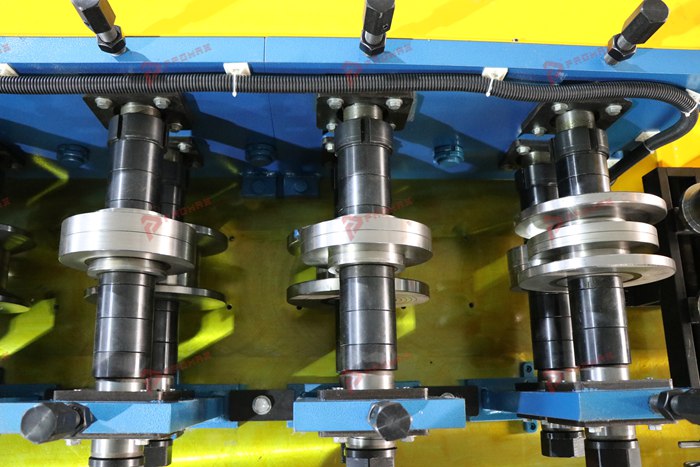
Roll forming shapes metal strip through successive roller stations. Each station gradually contributes to the final cross-section, creating a continuous manufacturing process for long metal profiles. Consistent results depend on the machine design, material properties, tooling condition, and correct operating adjustments.
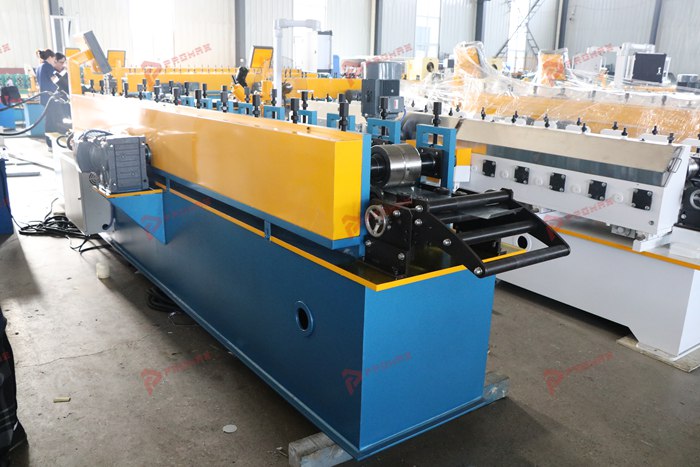
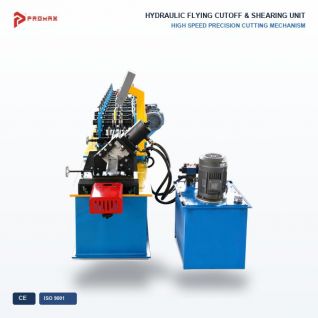
Ceiling and interior construction projects may require profiles in different finished lengths. The cutting arrangement should match the manufacturer's product range and production workflow. Buyers should specify standard lengths, length variations, and the required cutting method when discussing machine configuration.
Material grade, strip width, and thickness influence the forming process and machine design. Galvanized steel is commonly used for light steel keel applications, but the actual material specification should be confirmed before equipment selection.
Production speed, material capacity, automation functions, and other technical parameters should be evaluated against the customer's requirements and confirmed in the final machine specification.
C-shaped metal keel profiles are used in compatible light gauge framing and ceiling systems. Depending on the actual C-38-60 design and the relevant construction system, the finished profiles may be intended for applications such as:
The specific application must be verified against the profile drawing and installation requirements. Different C-shaped profiles may have different dimensions, connections, and structural functions. They should not be treated as interchangeable without technical confirmation.
The exact production line depends on the selected configuration. A typical metal keel roll forming workflow may include the following stages:
Manufacturers should establish inspection procedures for the profile dimensions and appearance. Regular checks can help identify deviations and support consistent production quality.
When comparing iron keel making machines, buyers should evaluate the machine against the intended product and production requirements. The following information helps the supplier prepare a more accurate proposal.
These details help determine whether the proposed configuration is suitable for the intended profile. Machine speed, forming stations, material thickness capacity, and automation functions should be confirmed in the technical proposal rather than assumed from the product name.
PROMAX focuses on roll forming equipment for light steel keel and metal construction profiles. Backed by Tianjin Haixing's experience in roll forming technology since 1996, the team can review customer drawings and discuss equipment configurations based on specific manufacturing requirements.
For manufacturers producing C-shaped keel profiles, matching the roller tooling and cutting configuration to the actual product is an important step. A properly specified machine can support a repeatable forming process and help establish consistent quality inspection procedures.
Before placing an order, buyers should review the technical specification, roller tooling, cutting arrangement, electrical configuration, included equipment, delivery terms, and after-sales service arrangements. The final technical agreement should clearly define the intended profile and the confirmed machine capabilities.
Looking for an iron keel making machine for C-38-60 profiles? Contact PROMAX with your profile drawing, material specifications, finished lengths, expected production output, and delivery destination.
Our team can review your requirements and discuss a suitable roll forming solution for your application. Request a quotation based on your actual profile and production needs, and confirm the machine configuration before placing an order.
WhatsApp Code