WhatsApp:
E-mail:
Mobile Phone:
Tel:+86 022 86728681
Fax:+86 022 86728681

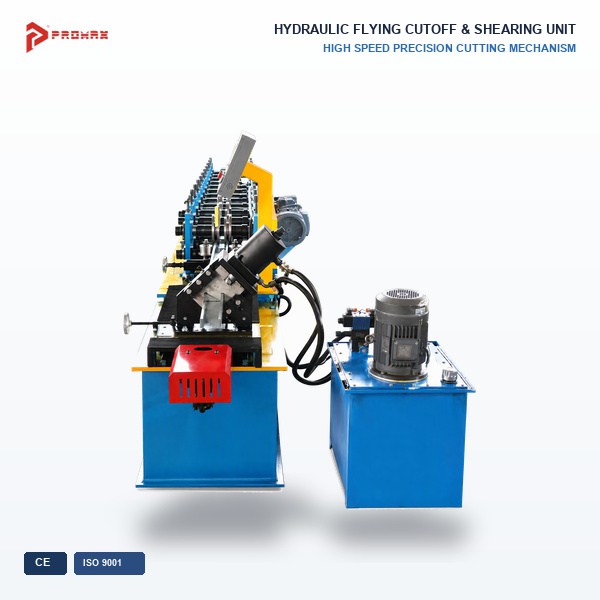
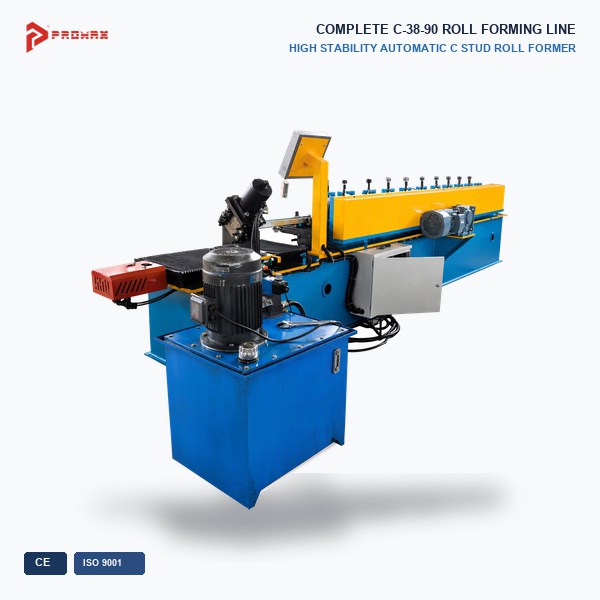
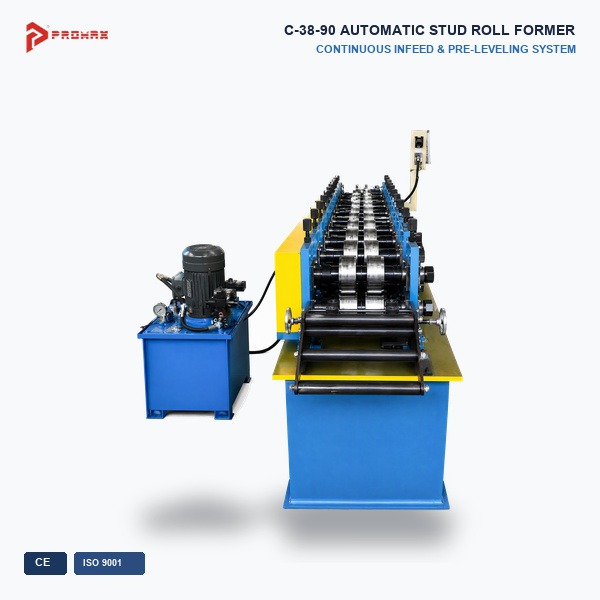
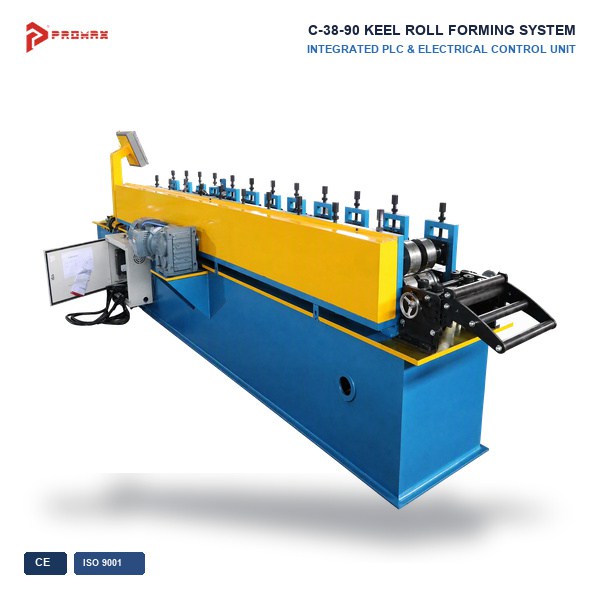
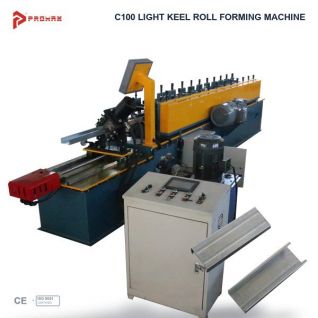
Roll forming equipment for manufacturing specified metal channel profiles. The machine configuration depends on your profile drawing, steel specifications, punching requirements, finished lengths, and production target.
Request a Quote: Send us your technical drawing and material details for a tailored proposal.
The strut channel roll forming machine is designed for manufacturing metal channel profiles according to specified cross-sectional drawings and production requirements. A suitable roll forming solution can help metal profile manufacturers produce consistent channel sections for compatible construction, equipment support, and installation systems.
The machine configuration depends on the required profile geometry, steel material, thickness, finished length, and production target. For applications requiring slotted or perforated strut channels, punching requirements must also be confirmed before the production line is designed.
Before selecting a machine, buyers should verify whether their required product is a standard strut channel or a different C-shaped metal keel profile. These products may have different dimensions, applications, and tooling requirements.
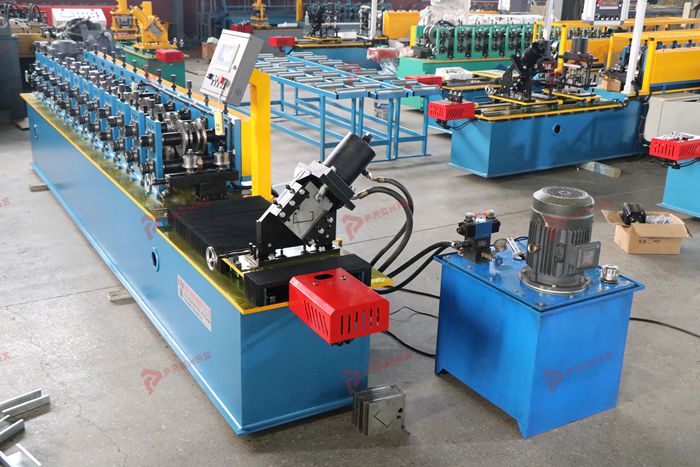
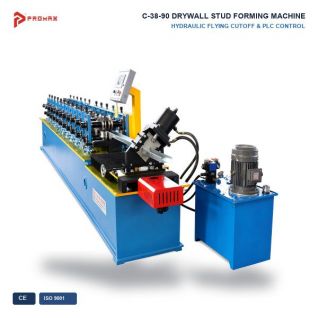
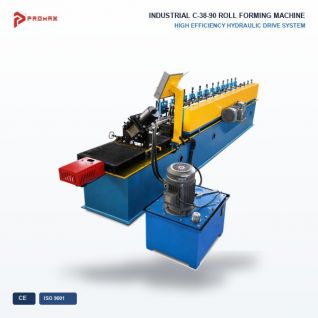
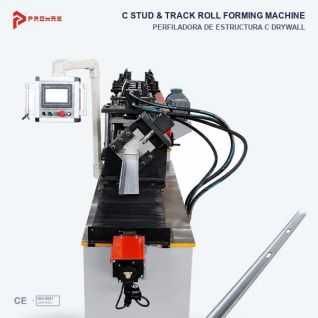
A strut channel roll forming machine processes metal coil through a series of forming stations to create a specified channel cross-section. The rollers progressively shape the material until it reaches the required profile geometry.
Depending on the approved machine configuration, a production line may include material feeding, guiding, roll forming, length measurement, cutting, and finished-profile collection. Additional operations, such as punching or slot formation, should be specified according to the actual product drawing.
For manufacturers planning a new production line, defining the finished profile is the first step toward selecting appropriate forming tooling and auxiliary equipment. The machine should be designed around the intended product rather than a general channel name alone.
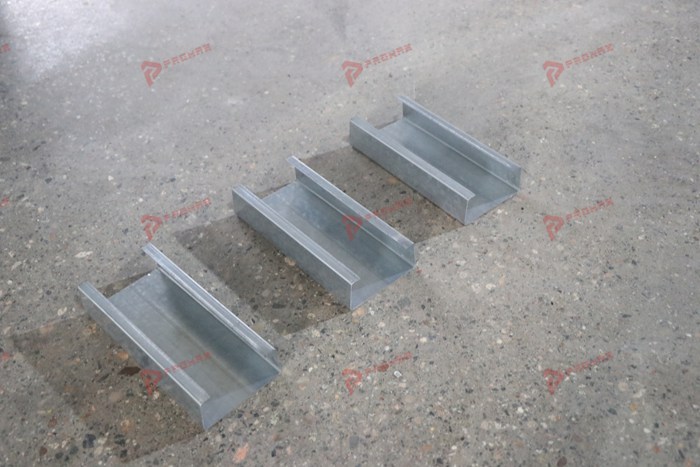
Strut channel profiles can vary in overall dimensions, channel depth, flange shape, return lips, and opening geometry. Some designs also require regularly spaced holes or slots for mounting and connection purposes. These differences can affect the machine configuration and the sequence of production operations.
Before requesting a quotation, buyers should prepare the following technical information:
Providing these details helps the equipment supplier evaluate the required forming tooling and determine whether additional punching or processing modules are necessary.
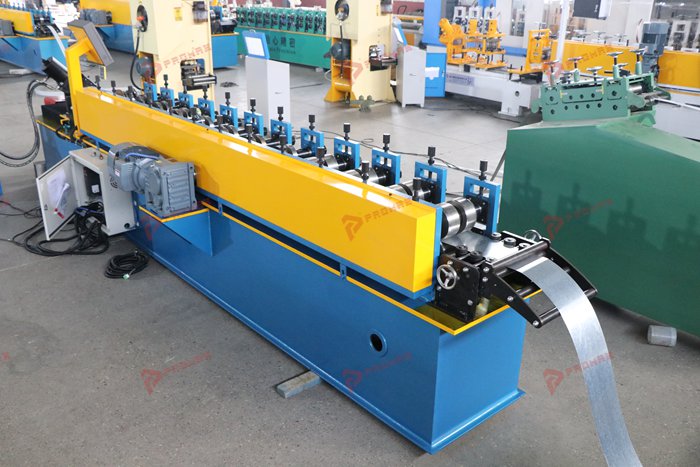
A typical channel roll forming process transforms flat metal strip into a finished profile through a series of coordinated operations. The exact production sequence depends on the profile design and the confirmed machine configuration.
Not every strut channel line uses the same process sequence. Punching may be arranged before or after forming depending on the profile, tooling, and production requirements. The final sequence should be confirmed during machine design.
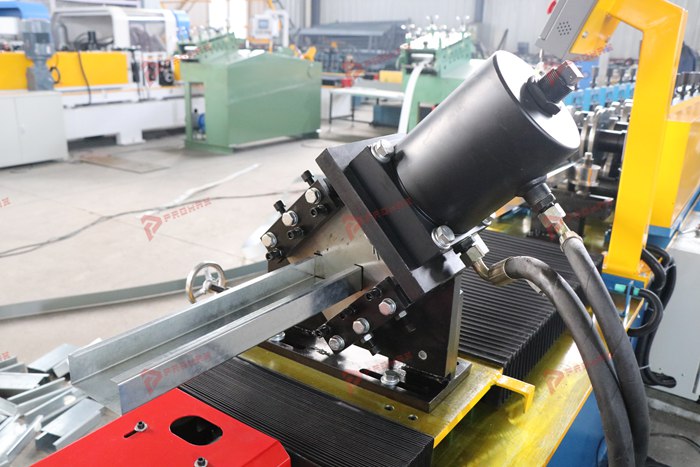
Strut channels are commonly used in compatible support and installation systems. Depending on the product design and engineering requirements, applications may include mounting frameworks, equipment supports, cable management supports, and mechanical or electrical installation systems.
The actual application depends on the channel's dimensions, material properties, connection method, and load requirements. A profile intended for a specific support system should be checked against the relevant engineering specifications and installation requirements.
For manufacturers supplying construction and industrial markets, a clearly defined profile specification helps maintain product consistency and makes it easier to communicate requirements to distributors, contractors, and project customers.
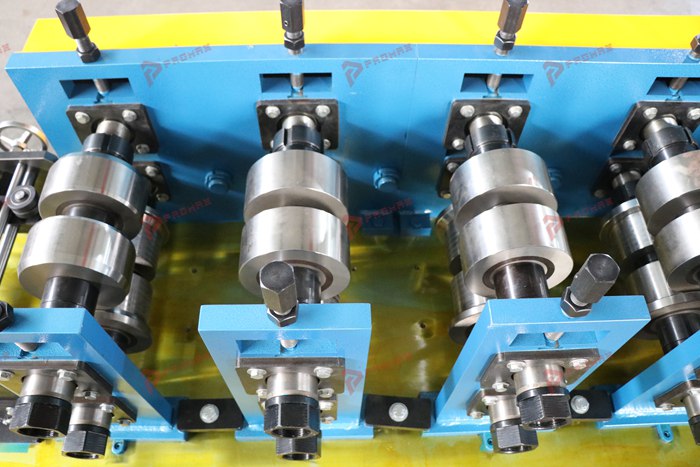
Different channel products require different forming arrangements. When evaluating a strut channel roll forming machine, buyers should consider the intended profile, raw material, finished dimensions, punching requirements, and available factory space.
Key configuration topics include:
Optional functions, production speeds, automation levels, and technical performance should be confirmed against the final machine specification. Buyers should not assume that every machine includes the same punching, cutting, or changeover capabilities.
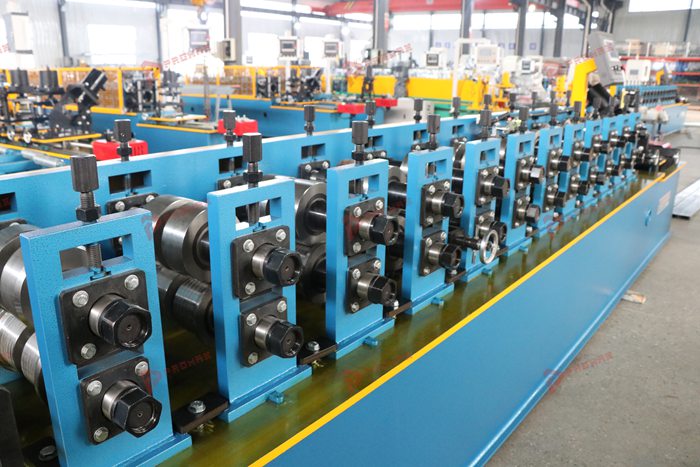
When comparing strut channel roll forming equipment, buyers should assess the suitability of the complete production solution rather than comparing price alone. The most important consideration is whether the machine can manufacture the required profile from the specified material within the agreed tolerances.
Before placing an order, consider confirming:
With roll forming technology experience dating back to 1996, Tianjin Haixing can discuss production equipment requirements according to the customer's technical drawing and manufacturing objectives. The actual machine configuration and commercial terms should be confirmed in the formal quotation.
If you are looking for a strut channel roll forming machine, send us your profile drawing and production requirements. These details help clarify the required forming tooling, material compatibility, punching arrangement, cutting system, and overall production-line configuration.
For a more accurate proposal, please provide:
Whether you are establishing a new metal channel production line or expanding an existing manufacturing operation, defining the actual product requirements is an important first step toward selecting suitable equipment.
Contact us today to discuss your channel roll forming project and request a tailored production solution.
WhatsApp Code