WhatsApp:
E-mail:
Mobile Phone:
Tel:+86 022 86728681
Fax:+86 022 86728681

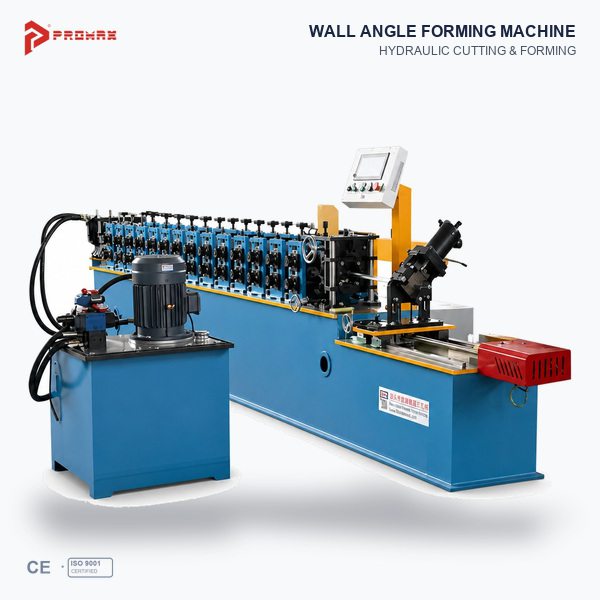
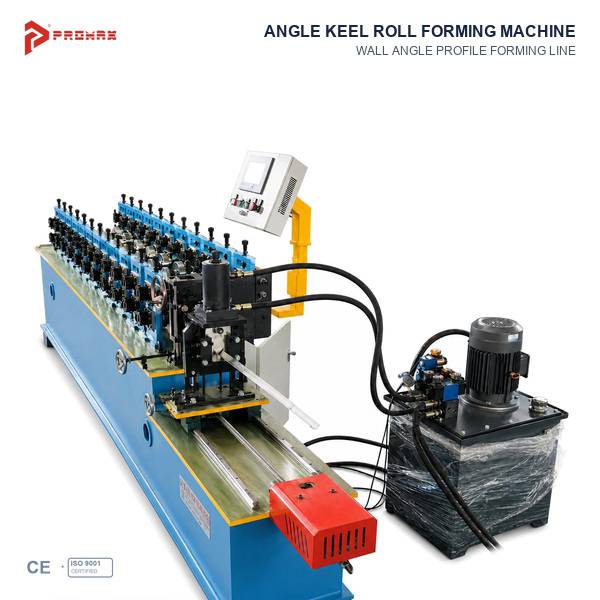
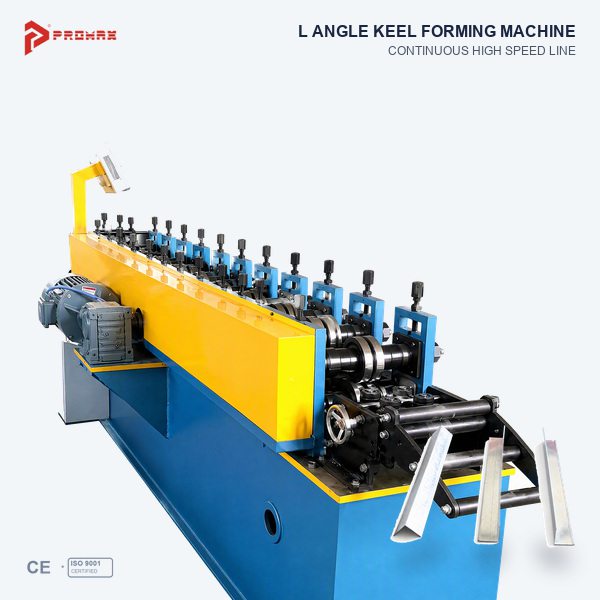
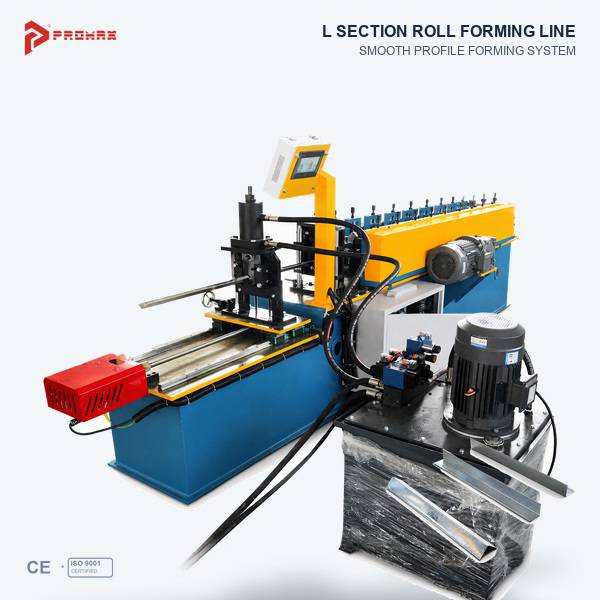
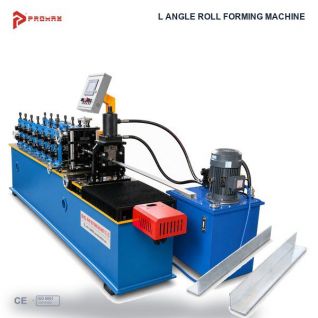
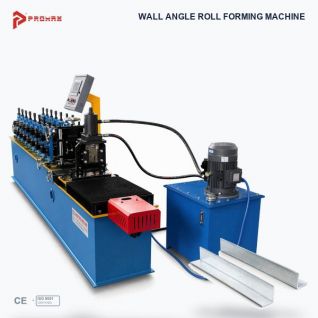
PROMAX provides metal profile roll forming solutions for specified L-type and lipped profiles. Machine configuration depends on the profile drawing, material specifications, finished lengths, and production requirements. Contact us with your technical details to discuss a suitable machine and request a quotation.
Looking for a lip channel machine for sale for your metal profile manufacturing business? PROMAX provides roll forming equipment for producing specified metal profiles according to customer drawings and production requirements. This machine page focuses on L-type light metal profiles, with the final tooling and configuration determined by the actual cross-section, material specifications, and required finished dimensions.
When purchasing a lip channel roll forming machine, it is important to confirm whether the target profile is a standard L-shaped angle or a channel profile with a lip or return edge. These shapes can require different roller tooling and forming arrangements. Providing a clear profile drawing helps ensure that the proposed machine matches your intended product.
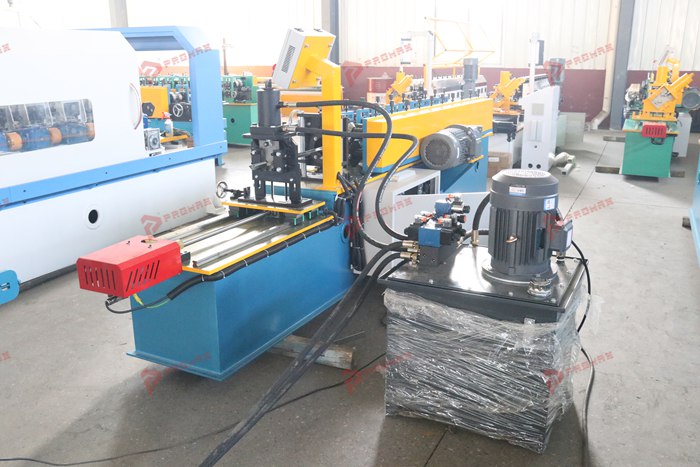
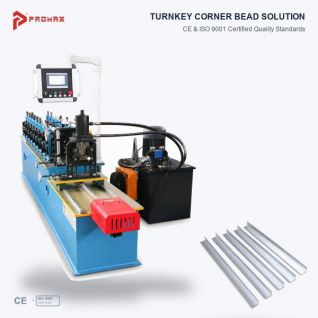
A lip channel roll forming machine is used to form metal strip into a specified channel-shaped profile that includes a lip or return edge. Depending on the profile design, these products may be used in compatible construction framing, ceiling systems, or other metal profile applications.
An L-shaped metal profile has two principal legs, while a lipped channel typically includes additional folded edges. Although both are formed from metal strip, their cross-sections are not necessarily interchangeable. Machine selection should therefore be based on the actual profile drawing rather than the product name alone.
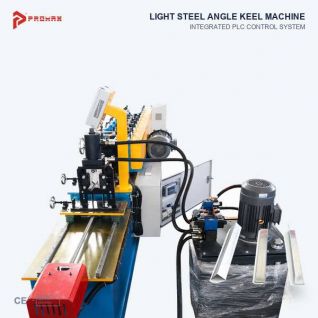
The roll forming process gradually shapes metal strip through a series of roller stations. The tooling and forming sequence are designed around the target geometry. Depending on the agreed configuration, the production line may also include a cutting system for producing profiles at specified lengths.
The profile drawing is the starting point for selecting the right machine. Important dimensions may include the overall width, leg height, lip length, bend angles, material thickness, and dimensional tolerances.
If you intend to produce an L-shaped keel, provide its exact cross-section and intended application. If the product includes a return lip or folded edge, make sure this feature is clearly shown in the drawing. The supplier can then assess the required roller tooling and machine arrangement.
Material type and thickness influence the forming process, tooling design, and machine requirements. Galvanized steel is commonly used for many light gauge construction profiles, but the suitable material grade and thickness range must be confirmed for the intended product.
When requesting a quotation, provide the material specifications and coil dimensions if available. This information helps the supplier evaluate whether the proposed equipment is appropriate for your production requirements.
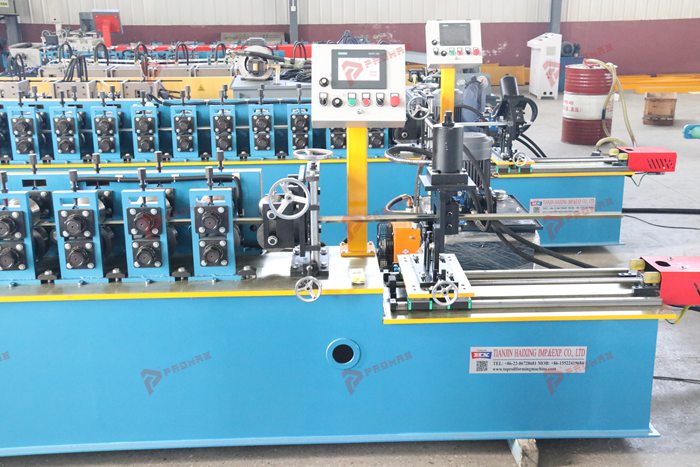
Metal profile manufacturers often supply products in different lengths according to customer orders and construction requirements. The machine's cutting arrangement should match the required product lengths and production workflow.
Before purchasing, specify the standard lengths you need and whether you expect to produce multiple lengths on the same line. The available cutting and length-control functions should be confirmed in the final technical specification.
The overall investment depends on the selected equipment and the scope of supply. Buyers should clarify whether the quotation covers the main roll forming machine only or includes additional equipment such as decoiling, feeding, cutting, and material handling systems.
Automation functions, production speed, roller stations, and material capacity should be evaluated using the actual machine specification. Avoid comparing quotations solely by machine name or headline price; compare the technical configuration and included equipment as well.
L-shaped profiles and lipped channels can serve different functions depending on their geometry and the construction system in which they are installed. Potential applications for compatible profiles include:
Not every L-shaped profile is suitable for the same application, and not every lip channel can replace a ceiling keel or framing component. Buyers should verify the profile dimensions, installation method, and intended use before finalizing the machine design.
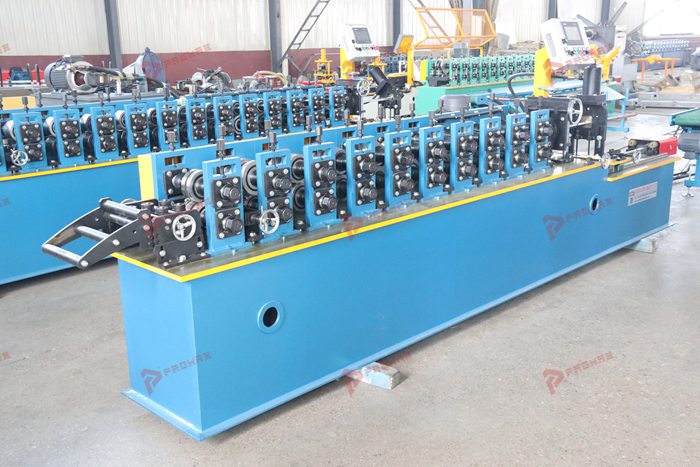
The exact production workflow depends on the machine configuration. A typical roll forming process for light metal profiles may include the following stages:
Establishing consistent inspection procedures helps manufacturers monitor profile dimensions and identify deviations during production. Actual production performance depends on the machine configuration, material characteristics, tooling condition, and operating conditions.
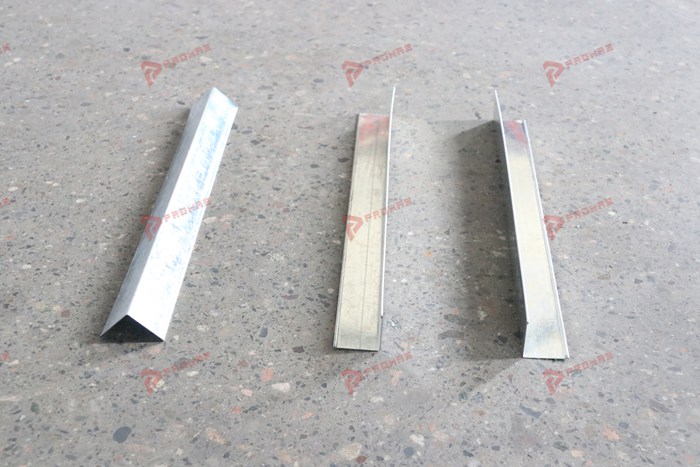
Before selecting a supplier, prepare the technical and commercial information needed to evaluate the machine. The following checklist can help you request a more accurate quotation.
These details allow the supplier to evaluate the intended application and prepare a proposal based on your actual requirements. Machine capabilities and performance parameters should be confirmed in writing before an order is placed.
PROMAX focuses on roll forming equipment for light steel keel and metal construction profiles. Backed by Tianjin Haixing's experience in roll forming technology since 1996, the team can review customer drawings and discuss machine configurations according to specific manufacturing requirements.
For manufacturers investing in a new profile production line, choosing equipment that matches the target cross-section is an important first step. A suitable configuration can support a repeatable forming process and help establish consistent product inspection procedures.
Before confirming an order, review the technical specification, roller tooling, cutting arrangement, electrical configuration, included equipment, delivery terms, and after-sales service arrangements. Ensure that the final agreement clearly defines the intended profile and the machine's confirmed capabilities.
Searching for a lip channel machine for sale? Contact PROMAX with your profile drawing, material specifications, finished lengths, expected production output, and delivery destination.
Our team can review your requirements and discuss a suitable roll forming solution. Request a quotation based on your intended profile and compare the proposed machine configuration and scope of supply before making your purchasing decision.
WhatsApp Code