WhatsApp:
E-mail:
Mobile Phone:
Tel:+86 022 86728681
Fax:+86 022 86728681

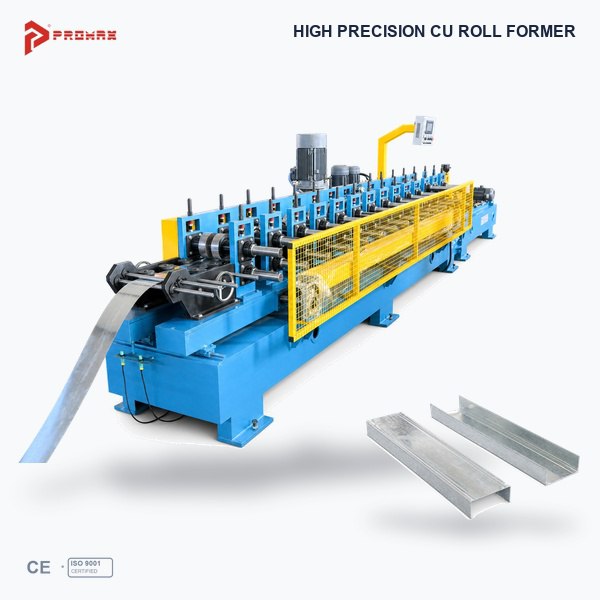
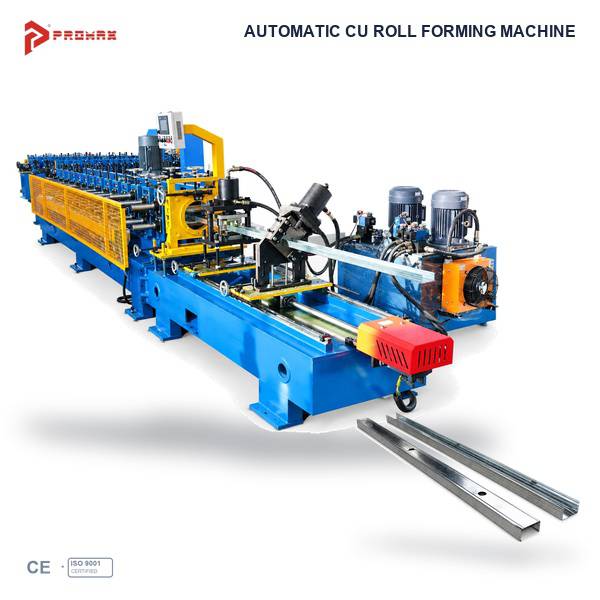
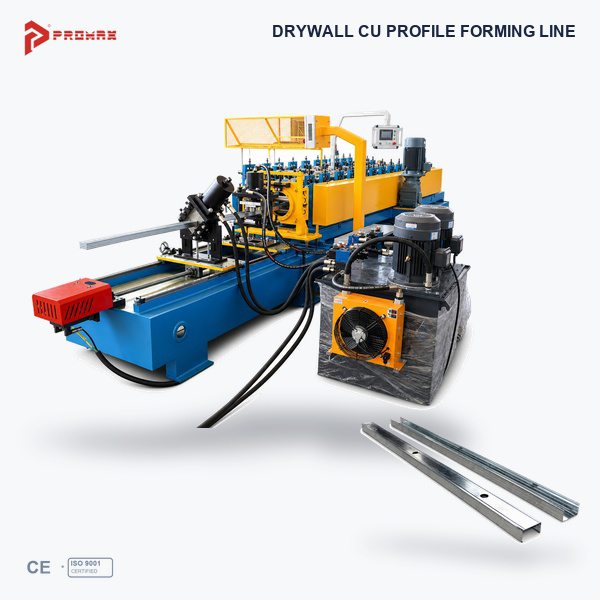
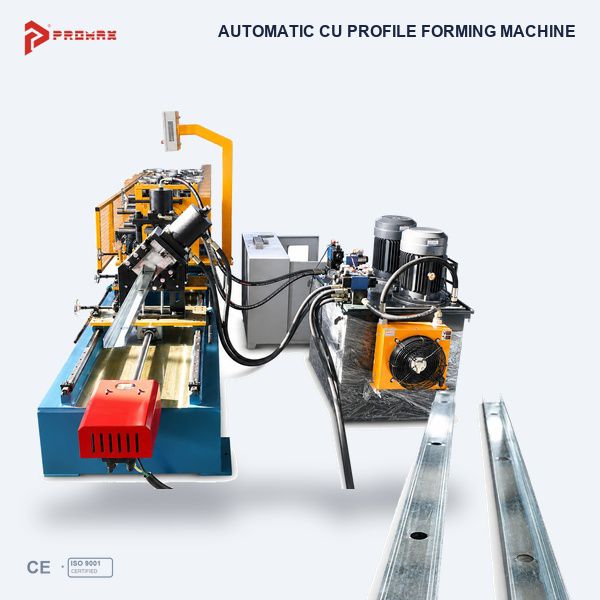
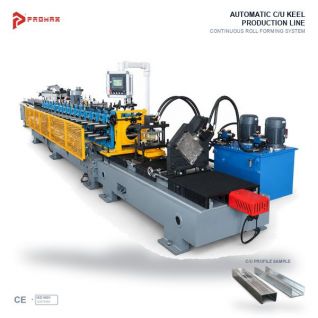
The PROMAX stud and track machine is designed for producing specified C studs and U tracks for compatible drywall framing systems. The machine configuration depends on profile drawings, material specifications, finished lengths, and required processing functions. Contact us to discuss your production requirements and request a tailored roll forming solution.
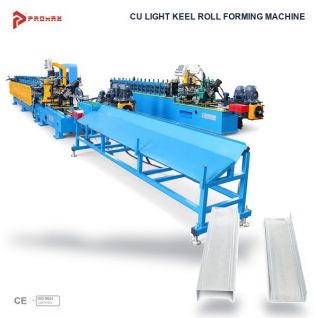
The PROMAX Stud and Track Machine is designed for manufacturing metal C studs and U tracks used in compatible drywall framing and light gauge steel partition systems. It provides a roll forming equipment solution for manufacturers serving the construction industry, drywall contractors, and building material distributors.
C studs and U tracks are essential components in many metal framing systems. C studs typically serve as vertical framing members, while U tracks are commonly used as horizontal channels to position and support the studs. The exact dimensions and profile designs depend on the requirements of the intended framing system and local construction standards.
For manufacturers planning to produce both profile types, the machine configuration should be determined by the required profile drawings, raw material specifications, finished lengths, and production targets. PROMAX can review these requirements to help define a suitable machine configuration.
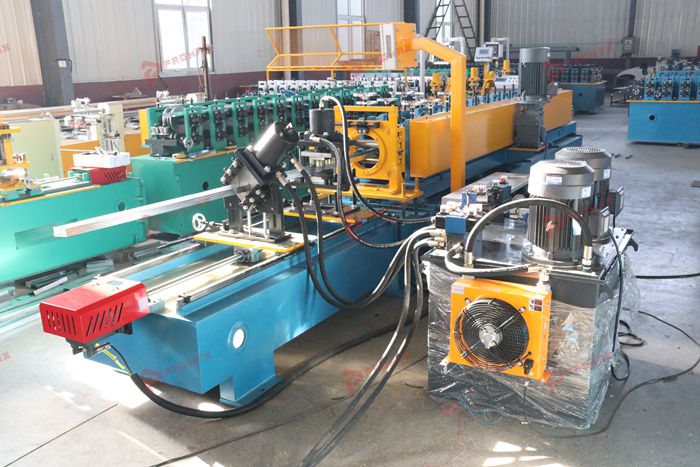
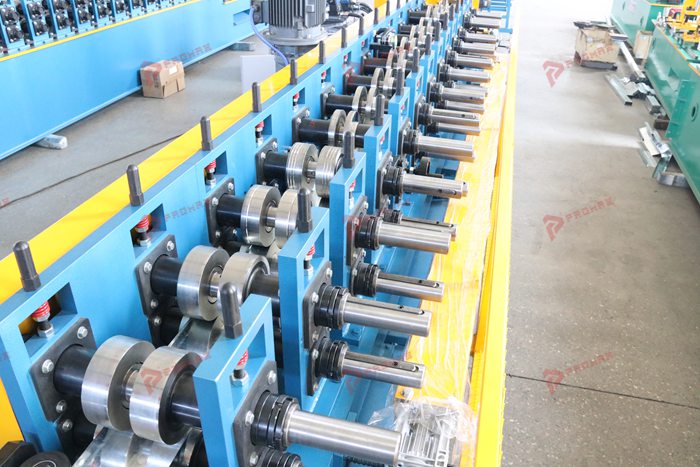
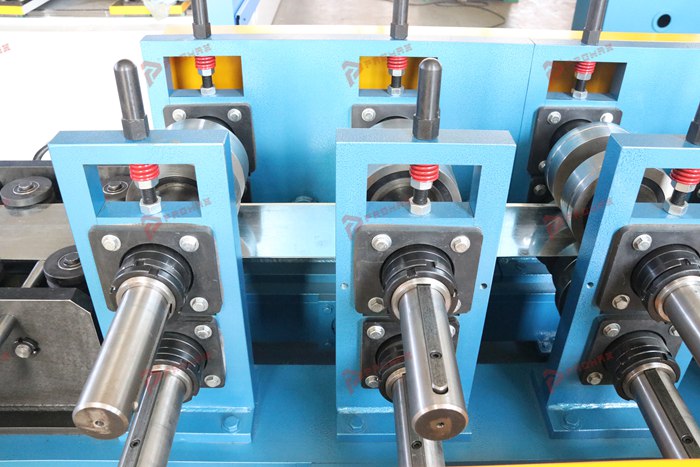
A stud and track machine is roll forming equipment used to shape metal strip into specified framing profiles. During the forming process, the strip passes through a sequence of rollers that progressively create the required cross-sectional geometry.
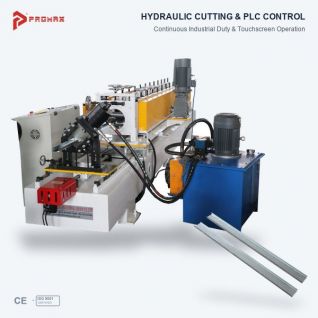
Depending on the selected machine configuration, the production line may incorporate material feeding, guiding, roll forming, cutting, and other processing functions. The specific functions included in a machine should be confirmed in its technical specification.
C studs are C-shaped metal profiles commonly used as vertical members in drywall partition systems. Their dimensions, flange geometry, and lip design must match the intended construction application. Accurate profile forming helps manufacturers meet the dimensional requirements specified for their products.
U tracks are U-shaped channels generally used at the top and bottom of compatible metal-framed partitions. The track dimensions must correspond to the relevant stud profile and framing system. Buyers should provide both stud and track drawings when requesting a machine capable of producing the two profile types.
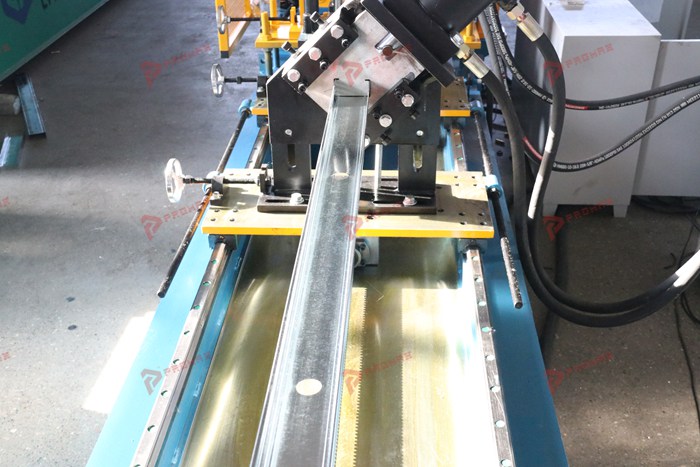
Metal stud and track profiles are widely used in interior construction. A properly specified production line can help manufacturers supply framing components for different building projects.
Profile specifications differ across markets. Before selecting equipment, manufacturers should verify the required profile dimensions, material grade, thickness, and applicable construction standards. The final product range must be compatible with the actual machine configuration.
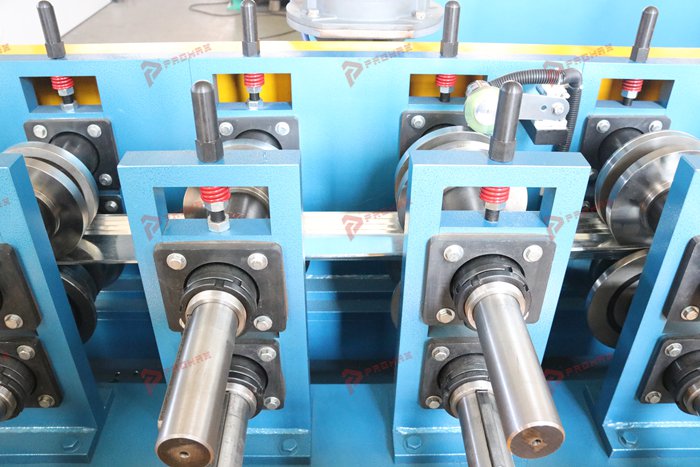
A typical stud and track roll forming process converts metal coil into finished profiles through a series of controlled operations. The exact production sequence depends on the machine design and the customer's processing requirements.
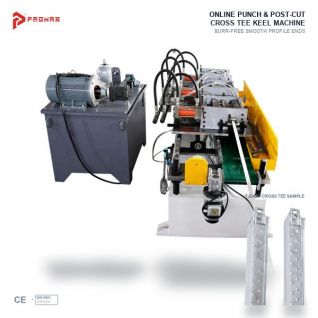
Additional processes, such as punching or notching, may be required for certain profile designs. These functions should be specified in advance so the manufacturer can evaluate the appropriate equipment arrangement.
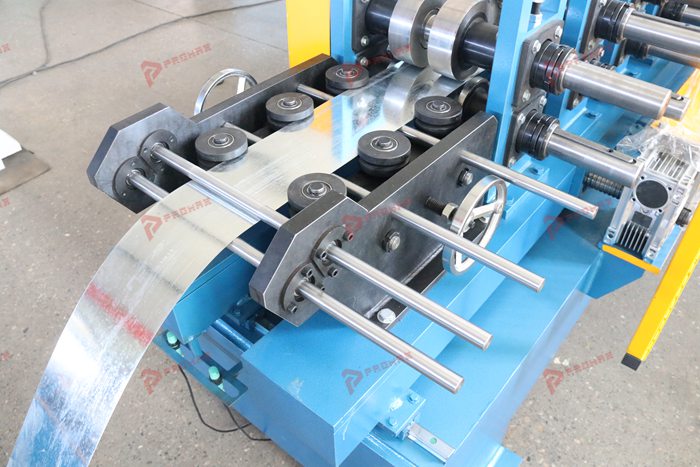
Automation is an important consideration for manufacturers producing metal framing profiles. Depending on the machine design, automatic operation may cover feeding, forming, cutting, or other specified production steps.
For customers producing multiple C stud and U track sizes, it is especially important to understand the changeover process. Some configurations require manual adjustments or tooling changes, while other configurations may support specified automatic adjustments.
Before purchasing an automatic stud and track machine, confirm the following points with the supplier:
These details help buyers assess the actual automation level instead of relying on the product name alone. The supported profile range and changeover method should be clearly documented in the final technical proposal.
Provide drawings for every required C stud and U track profile. The drawings should identify the overall dimensions, flange widths, lip geometry, and other relevant details. If your business produces several profile sizes, include the complete range for evaluation.
Galvanized steel is commonly used for drywall framing profiles, but material requirements vary by market and application. Share the material type, thickness range, coil width, and available material specifications before the machine configuration is finalized.
Different customers may require different finished lengths and dimensional tolerances. Clearly state your cutting requirements and any relevant product acceptance criteria. If holes or notches are required, provide their locations and dimensions.
Expected order volume, the number of profile sizes, and changeover frequency all influence equipment selection. Discuss your production targets with the manufacturer and confirm the expected output for the specified material and profile configuration.
Consider the available installation space, electrical supply, coil handling, operator access, and finished-product storage. Confirm the machine dimensions and applicable utility requirements before arranging delivery and installation.
PROMAX focuses on roll forming equipment for metal framing and construction profile applications. Backed by Tianjin Haixing's experience in roll forming technology since 1996, PROMAX can review customer requirements and discuss equipment configurations for specified C stud and U track products.
The final machine proposal should identify the included equipment, applicable profile range, material specifications, processing functions, and automation capabilities. Confirming these details before ordering helps align the equipment with your factory's production needs.
Looking for a stud and track machine for your drywall framing production? Contact PROMAX with your C stud and U track drawings, raw material details, required finished lengths, and expected production volume.
If you require automatic profile changeover, punching, or other specialized functions, include these requirements in your inquiry. This information helps the technical team assess the appropriate machine configuration and prepare a proposal based on your actual production needs.
Send us your profile drawings and specifications to discuss a suitable stud and track roll forming solution for your business.
WhatsApp Code